


The Strand Theatre building on Fulton Street in downtown Brooklyn stands as a striking testament to the social transformations that have swept through the city. Through a series of rigorous yet incomplete renovations, The Strand has become a palimpsest in stone, preserving traces of its past while embracing new purposes. Over the years, it has evolved from a vaudeville theater and bowling alley to its current incarnation as a glass art studio. Read more about this historic Fulton Street theater on brooklyn-trend.com.
Four Thousand Spectators
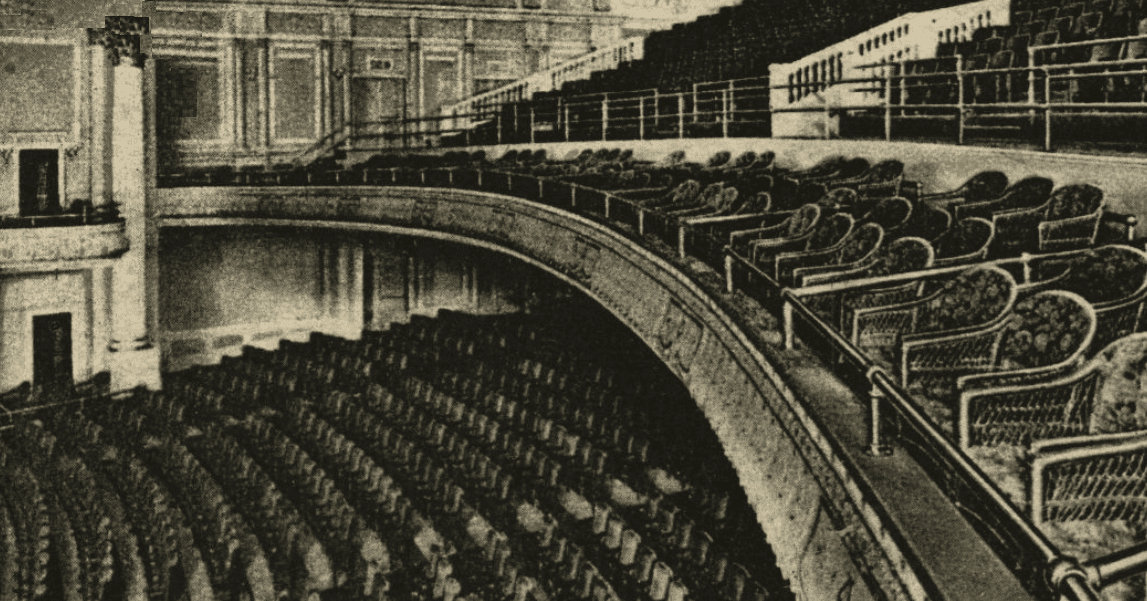
The theater was originally built for vaudeville performances and had a maximum capacity of nearly 4,000 spectators. Designed by architect Thomas W. Lamb, the structure was constructed by the TA Clark Construction Company. Over the years, the theater hosted numerous talents, including the legendary Harry Houdini, the world-renowned illusionist and escape artist known for his ability to break free from the most secure restraints and locks.
From 1920 to 1927, the theater was managed by Edward L. Hyman, a popular exhibitor who drew crowds with elaborate musical productions. The Strand was even affiliated with Warner Brothers in the 1940s before being sold to Fabian Theaters in 1948. In 1953, it became home to the opera company of Alfredo Salmaggi. Later, the building housed a printing press and a bowling alley.
Eventually, the theater’s interior was gutted and converted into a glass factory after tax-related issues led the city to take ownership of the building. This remained its function until the early 21st century. When the printing company operating on the ground floor vacated the premises in the mid-1990s, UrbanGlass and BRIC, which had already moved into the space, began discussions on renovating the building.
The Beginning of Renovation
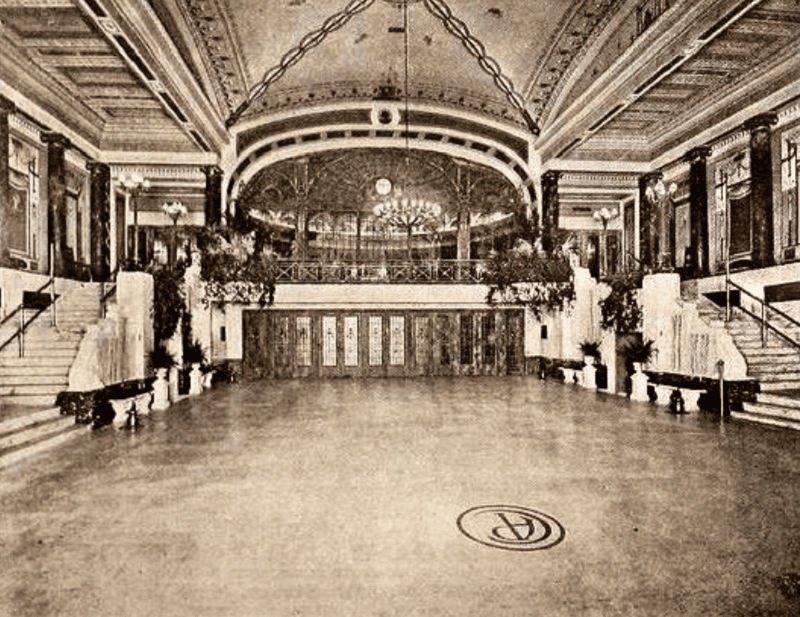
The theater is now imbued with contrasting elements. At one end of what was once the upper balcony stands a cube-like iron frame housing two furnaces—the heart of the glass studio. These furnaces, along with seven workstations, make up the “hot shop,” where glass is blown and shaped. Extending nearly 40 feet above the furnaces, a dense network of air ducts channels the heat away from the workspace.
The New York Experimental Glass Workshop, a nonprofit organization, raised $1 million to fund most of the interior renovations, while the city contributed $250,000 for exterior improvements.
Budget constraints led to various outcomes, some less desirable and others unexpectedly beneficial. A massive wooden beam that once supported the theater’s dome had to be removed due to insufficient funds for structural reinforcement. This loss undoubtedly diminished the building’s dramatic architectural presence. However, since nearly half of the funds allocated for interior work were spent on the furnace and related equipment, much of the historic space was preserved. Enough original details remain to remind visitors of its past. The wooden beams, painted in rich hues, and long tin straps still hang from the ceiling structure, which is now fully exposed. While it no longer supports the original dome or the suspended ceiling from its bowling alley days, faded frescoes still cling to many of the walls, offering glimpses of the past.
New York City Arts Commission Award
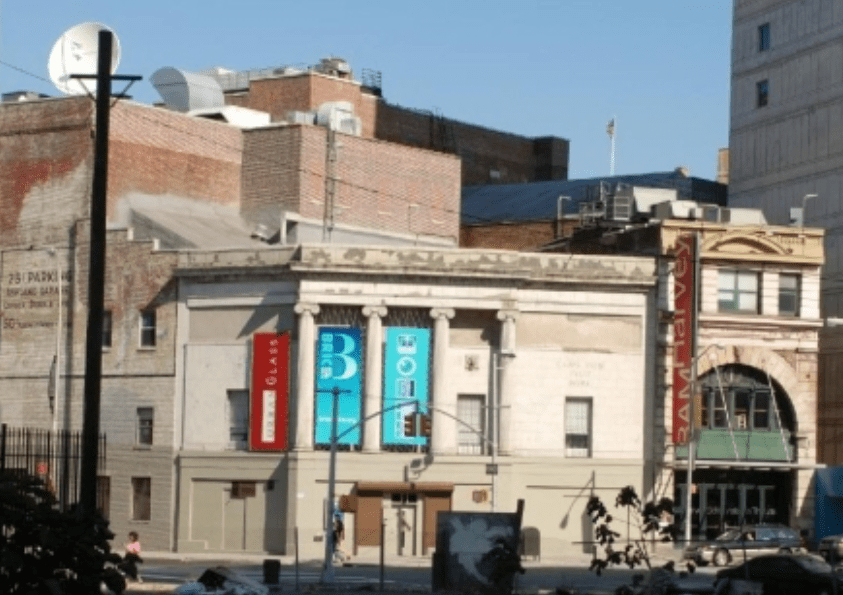
These contrasts extend to the building’s exterior, where architect Steven Holl exercised a greater degree of restraint. Whether this restraint was dictated by budgetary limitations or by his own design philosophy is unclear, but the facade eloquently reflects the building’s layered history. Instead of repairing the facade, Holl chose to add new elements. The original marble colonnade facing Fulton Street remains intact. Two entrances were designed: one on Fulton Street and another on Rockwell Place, a previously neglected side street, which serves as the main entrance to the glass workshop. The doors are framed by large aluminum panels, sculpted glass forms, and recessed oxidized brass panels.
Holl accentuated the overlapping rectangular patterns along the quieter side of the building. The design was drawn onto the facade, layered over an existing mural depicting a bowling ball striking a set of pins. Beaded glass was applied to the painted surface, creating a highly reflective finish. High-intensity lighting interacts with this glass, making the street safer at night. This simple yet effective idea earned the design an award from the New York City Arts Commission.
When The Strand was built in 1919, it was one of 30 theaters lining Fulton Street, a bustling entertainment district where vaudeville reigned supreme. By the late 1950s, Brooklyn experienced a bowling boom, prompting a developer to convert The Strand into a 52-lane bowling alley, the largest in the city. The 2,000-seat theater, which stood nearly 75 feet high, was divided into three floors. Later, the Brooklyn Academy of Music formed a development corporation to revitalize the area and transform it into a hub for creative organizations. The selection of The Strand for renovation by the city was anything but coincidental.