


When reflecting on 21st-century theater, the first question to address is: What meaning does live performance hold in an era dominated by screens? As our lives become increasingly virtual, is there still value in storytelling the old-fashioned way—gathering a large audience in a shared space for a live performance? Does theater have a future in the 21st century, and if so, what does it look like? Should we simply surrender to the omnipresence of digital media? Read more about the future of Brooklyn theater and its relevance in our high-tech era at brooklyn-trend.com.
Is Theater Still Necessary?
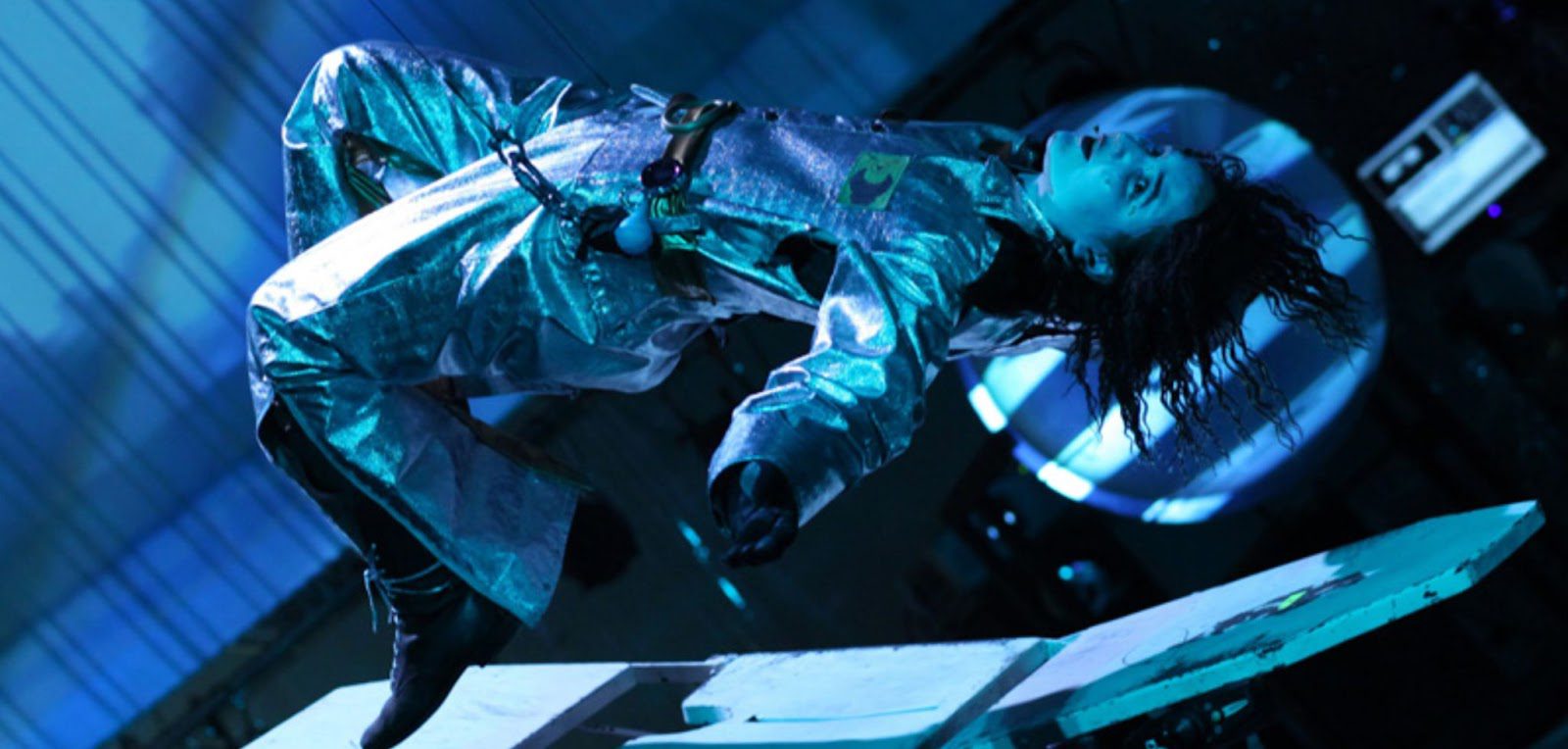
Performers of all ages and backgrounds continue to create and stage productions because they believe in what theater does best—providing a live experience that elicits deep emotions and reminds audiences of shared humanity. Many artists have had a transformative theater experience at some point in their lives, inspiring them to create similar moments for others.
Even a mundane play is based on an empathetic desire to communicate, something that cannot be said about mowing the lawn, building a house, or writing financial reports—activities that fill people’s lives but lack the transcendence of theater. Theatrical performances demand more from audiences—more time, more attention, and more understanding. But in return, at its best, theater offers a universe of emotions that money cannot buy. It provides something intangible, something that cannot be stored away but must be felt.
In his essay “Why Theater?”, Canadian theater director Brendan Healy reflects on theater’s ability to foster empathy. One of the most powerful performances he ever witnessed was “Rwanda 94”, created by survivors of the Rwandan genocide. Over six hours, survivors, witnesses, musicians, and actors told the harrowing story of their nation’s confrontation with mass murder.
The sheer physical presence of those who had endured such darkness prevented the audience from distancing themselves. There was no screen to provide a buffer; viewers had to fully engage with the pain and reality of the moment. By the end, everyone left the theater transformed. The performance demonstrated how the immediacy of live theater allows audiences to step into another person’s world and develop emotional and intellectual empathy.
Theater Will Be Different from Yesterday
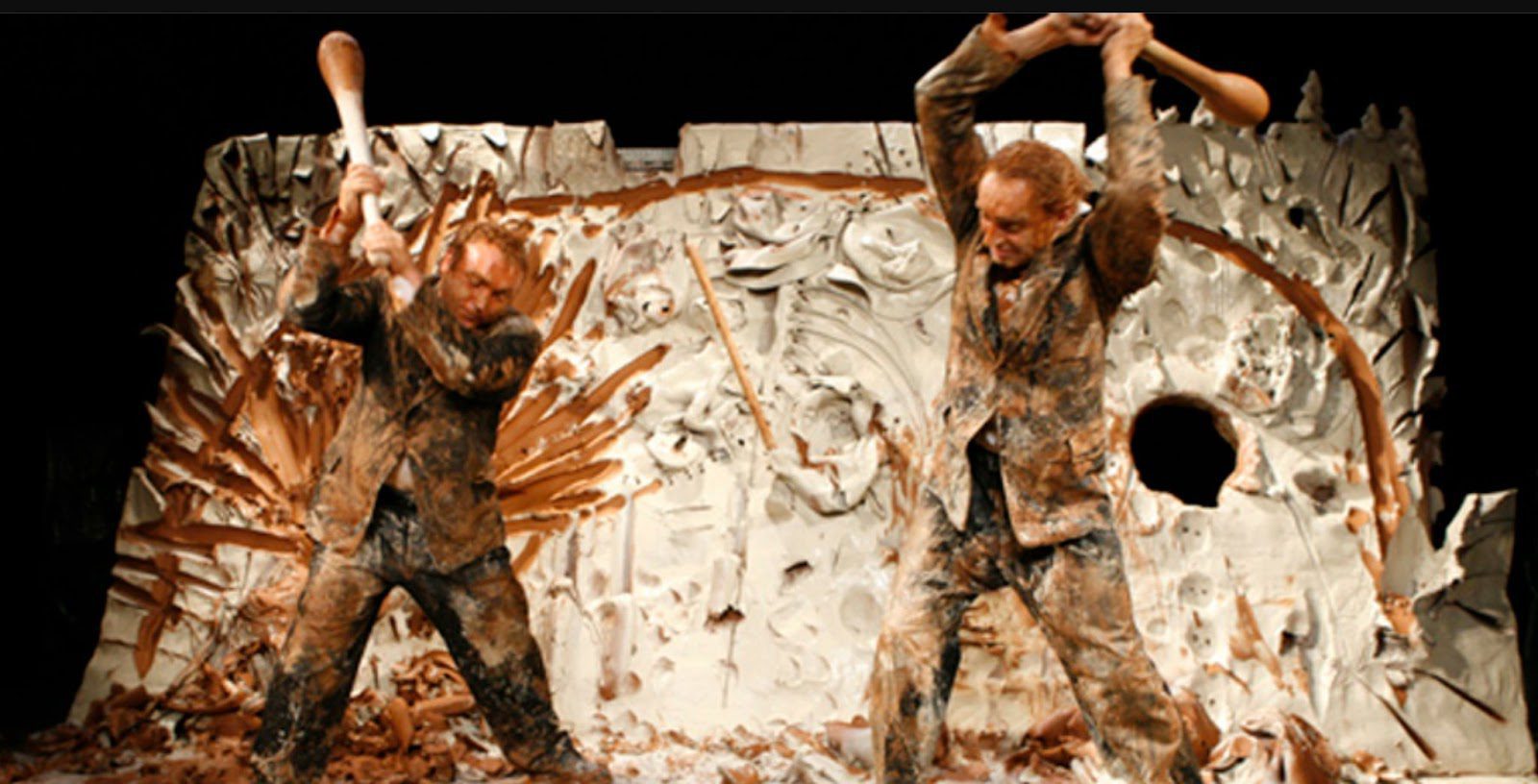
At the same time, we must acknowledge that theater will not remain as it was—it will evolve for several reasons.
First, younger and future audiences are deeply intertwined with new communication tools and digital devices, both visible and invisible. This evolution shapes how they receive, process, and evaluate information, as well as how they interpret sound, rhythm, and even language.
Second, attention spans are shrinking, yet the scope of perception is expanding. Multimedia tools are altering how audiences judge, listen, and engage with stories, fundamentally reshaping their understanding of the world.
This transformation affects all forms of contemporary art, including theater. It influences how human creativity and imagination are expressed and applied.
Meanwhile, artists themselves are fascinated by how technology—especially mobile devices—is creating new cultural spaces that personalize each artistic experience. These changes raise significant questions about the nature of interaction and its limitations.
Thus, despite technological shifts, it is clear that theater will endure in the 21st century. Moreover, it will continue to be essential.
From Warehouse to Arts Hub
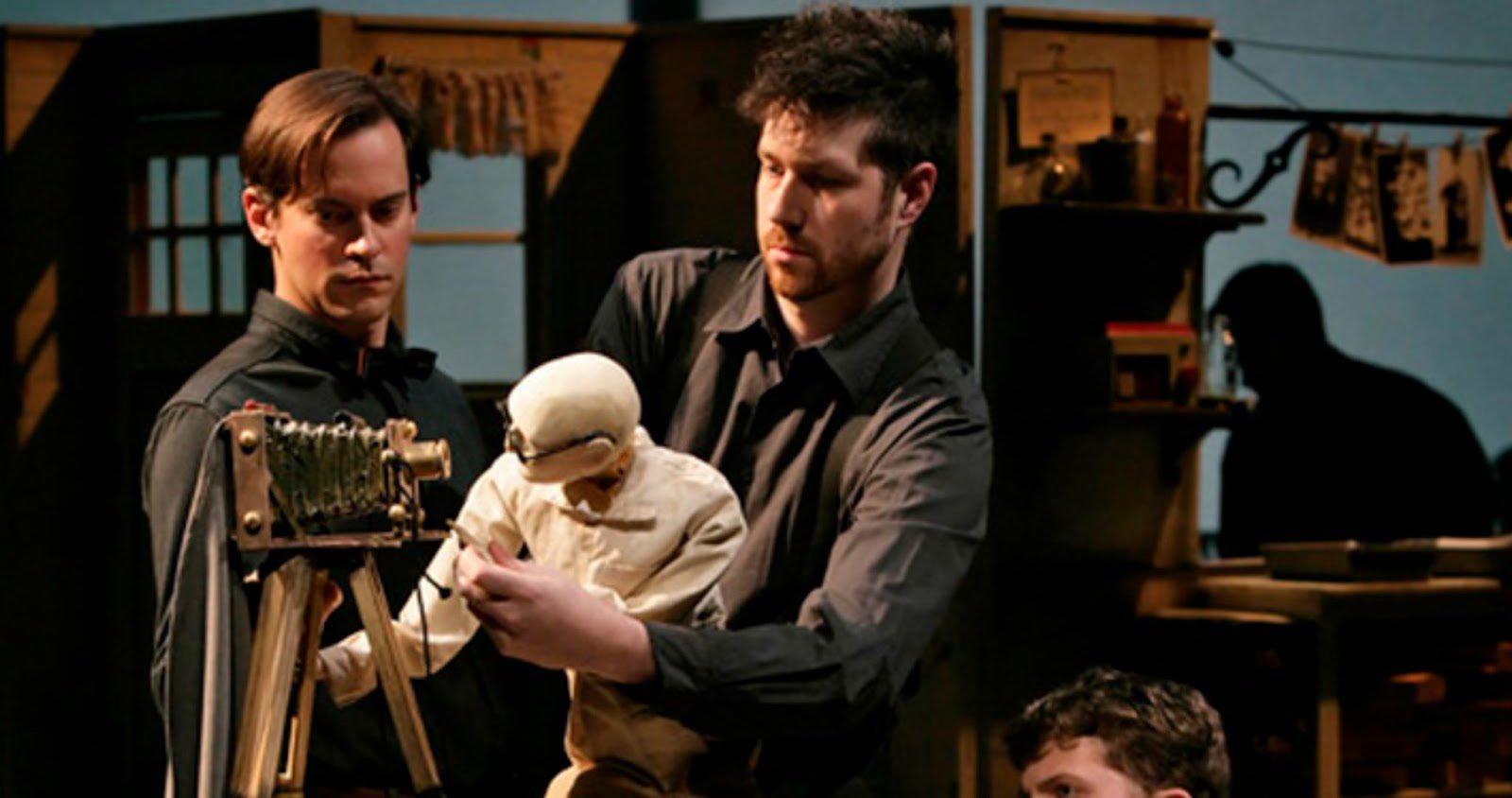
Against this backdrop, we examine how Brooklyn’s theater culture is adapting to the 21st century. Brooklyn has long been known for its theatrical heritage, and one striking example of its evolution is St. Ann’s Warehouse.
For decades, this venue—dating back to the 19th century—has commissioned, produced, and presented a unique and eclectic mix of innovative theater and music performances at the crossroads of theater and rock and roll. Since 2000, St. Ann’s has played a pivotal role in the revitalization of Brooklyn’s waterfront in DUMBO, becoming one of the most important and sought-after live performance venues in the borough.
With its signature multi-artist concerts and groundbreaking musical and theatrical collaborations, St. Ann’s continues to celebrate both American and global cultural traditions. It incorporates a variety of contemporary forms, including new commissions and multidisciplinary theater presentations.
A Legacy of Innovation
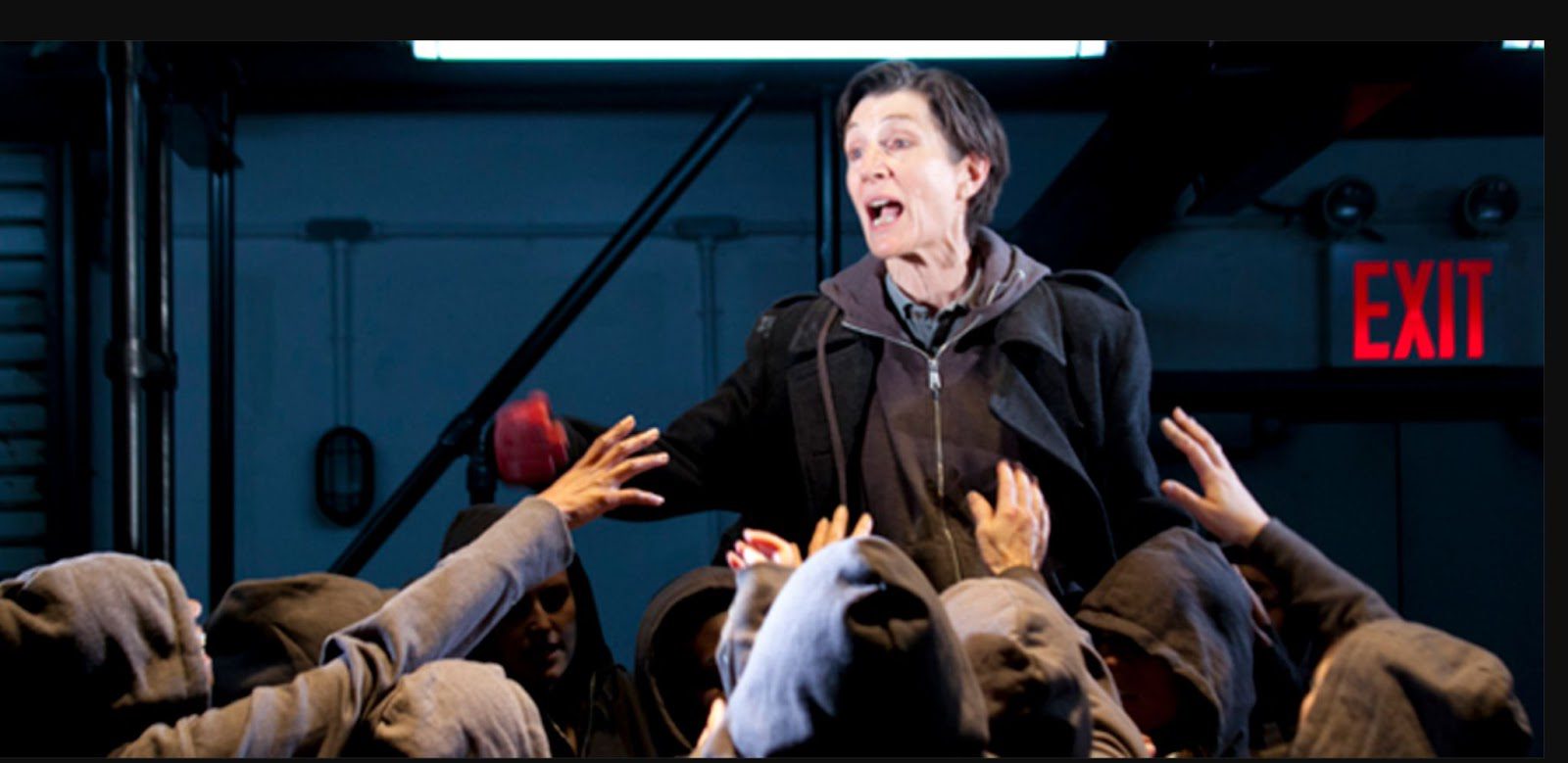
Since 1980, St. Ann’s early programming focused on classical music, choral and opera performances, organ concerts, and other renowned artists. One of its first landmark productions was the first American puppet opera, “The Barber of Seville” by Rossini, staged by Amy Trompetter and the Brooklyn Opera Society in 1983. The production was revived with great acclaim for its 20th anniversary in 2003 at St. Ann’s Warehouse.
In 1985, the Bread and Puppet Theater was invited to stage Bach’s Cantata No. 4 “Christ Lag in Todesbanden”. By 1988, the program had expanded to include the American premiere of John Cale’s “The Falklands Suite”. The following year, St. Ann’s and the Brooklyn Academy of Music reunited John Cale and Lou Reed, co-founders of The Velvet Underground, by commissioning “Songs for Drella”, a tribute to Andy Warhol.
Recognizing the ambition and artistic scale of St. Ann’s productions, performers and artists began taking greater interest, elevating its international reputation under the leadership of founding artistic director Susan Feldman and programming director Janine Nichols. In 1989, legendary producer Hal Willner brought Marianne Faithfull to St. Ann’s for a series of unforgettable performances.
Throughout its history, St. Ann’s has presented a vast array of concerts and performances spanning multiple disciplines, with a particular focus on rock, jazz, world, and roots music. By leveraging its growing reputation, the venue has introduced both emerging and forgotten artists to new audiences.
Thus, St. Ann’s Warehouse has transformed from a 19th-century tobacco warehouse into a groundbreaking 21st-century theater, proving that Brooklyn’s theater scene is far from fading—it is thriving and evolving.