


The Polonsky Shakespeare Center, a 27,500-square-foot venue in New York, stands as a distinctive space for theatrical performances. Its centerpiece, the 299-seat Samuel H. Scripps Mainstage, blends the essence of an Elizabethan courtyard theater with cutting-edge stage technology. Inspired by the Dorfman Theatre at London’s National Theatre, the Scripps stage at the Polonsky Shakespeare Center is fully adaptable—both the seating and the stage can be rearranged into various configurations to suit the artistic vision of each production. The center also houses the Theodore C. Rogers Studio and several theater support spaces. More on brooklyn-trend.com.
The Theatre for a New Audience Finds a Home

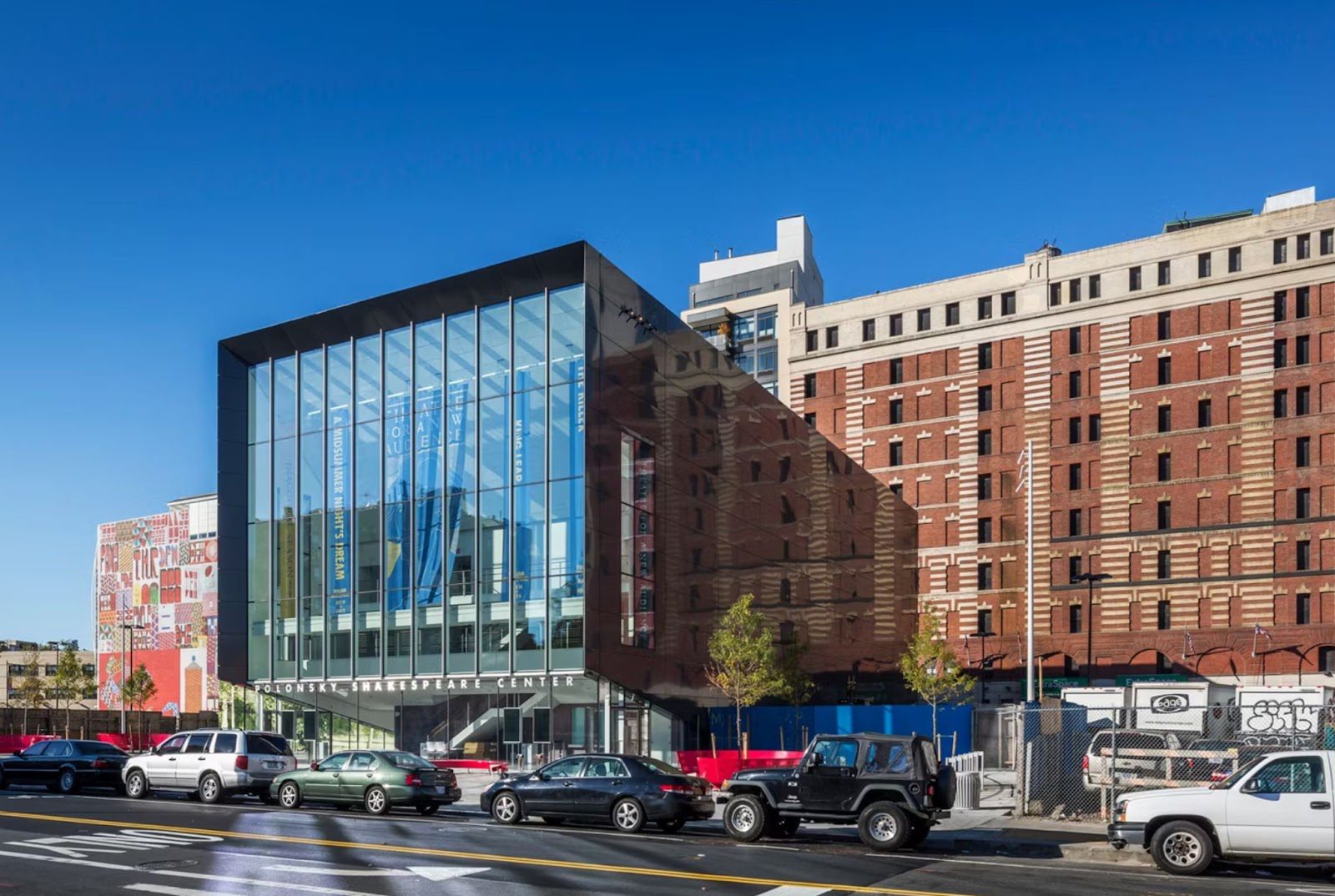
After more than three decades of award-winning productions and international acclaim, the Theatre for a New Audience finally secured a permanent home in 2013—the Polonsky Shakespeare Center. Funded and developed through a public-private partnership with New York City, the venue was designed by renowned architect Hugh Hardy of Hardy Collaboration Architecture. Notably, it is Brooklyn’s first theater specifically built for classical drama.
While the name Shakespeare requires no explanation, Polonsky acknowledges the financial contributions of the Polonsky Foundation, which played a significant role in bringing the project to life.
Under Mayor Michael Bloomberg, the city of New York invested over $34 million into the theater. Additional public funding came from Mayor Bill de Blasio, Brooklyn Borough President Eric Adams, and the New York State Council on the Arts. Alongside city and foundation support, several other philanthropic organizations also contributed to the theater’s development. More details can be found at brooklyn-trend.com.
The Need for the Shakespeare Center
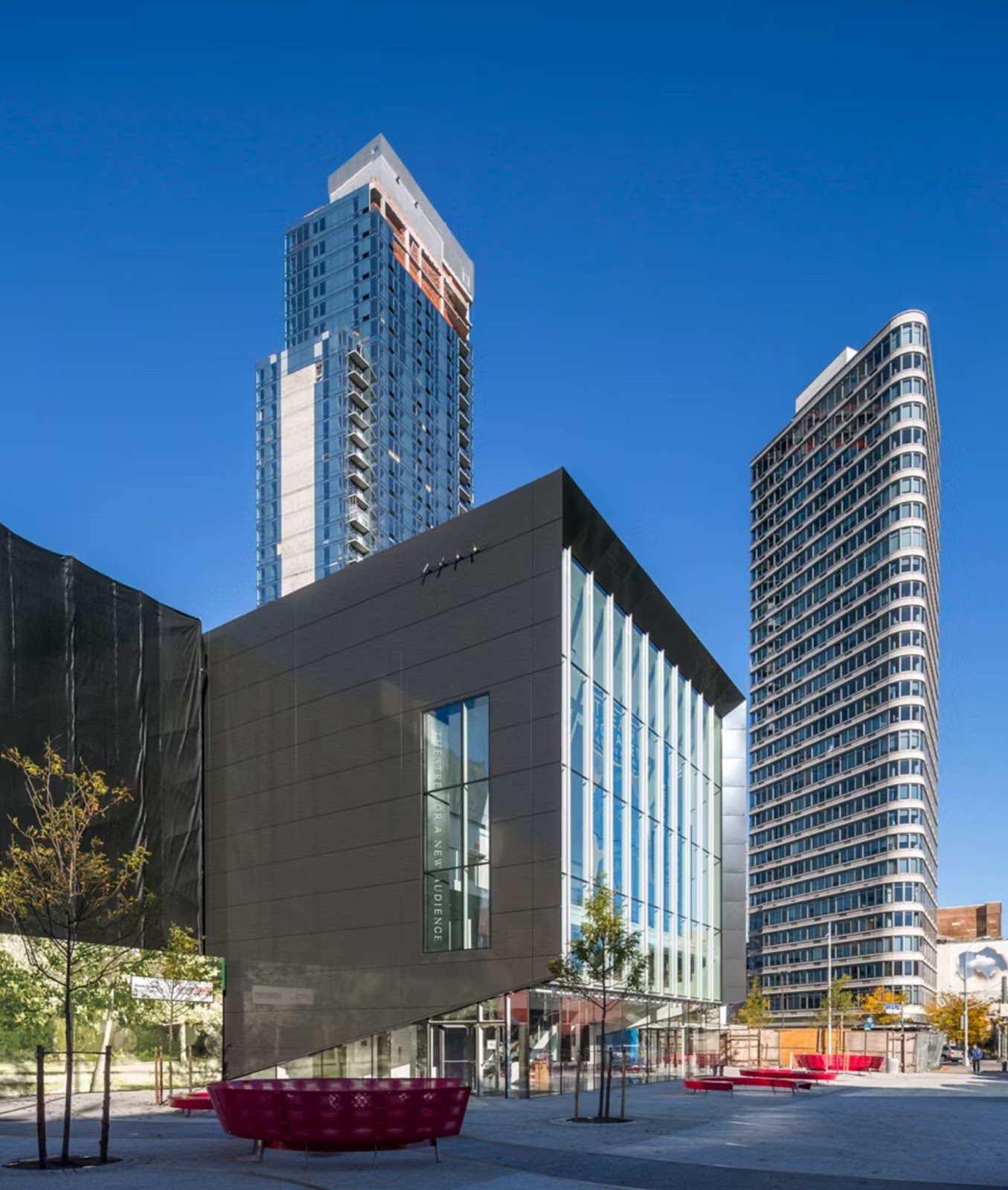
The Polonsky Shakespeare Center officially opened in 2013 within the Brooklyn Cultural District, serving as the home for the Theatre for a New Audience. Established in 1979, the theater is dedicated to revitalizing and reinterpreting performances while promoting the study of Shakespeare and classical drama.
The company’s repertoire includes contemporary works that align with themes explored in the traditional theatrical canon. In addition to its seasonal performances, the Theatre for a New Audience offers lectures, workshops, family programs, and other engaging activities to foster public involvement.
Since opening its doors, the Theatre for a New Audience at the Polonsky Shakespeare Center has rapidly become a premier destination for theater enthusiasts in Brooklyn. Visitors are captivated by its 360-degree sightlines, which create an immersive experience from the moment they step inside. The carefully maintained surroundings reflect a commitment to excellence and enhance the overall theatrical experience.
Aesthetic Appeal of the Venue
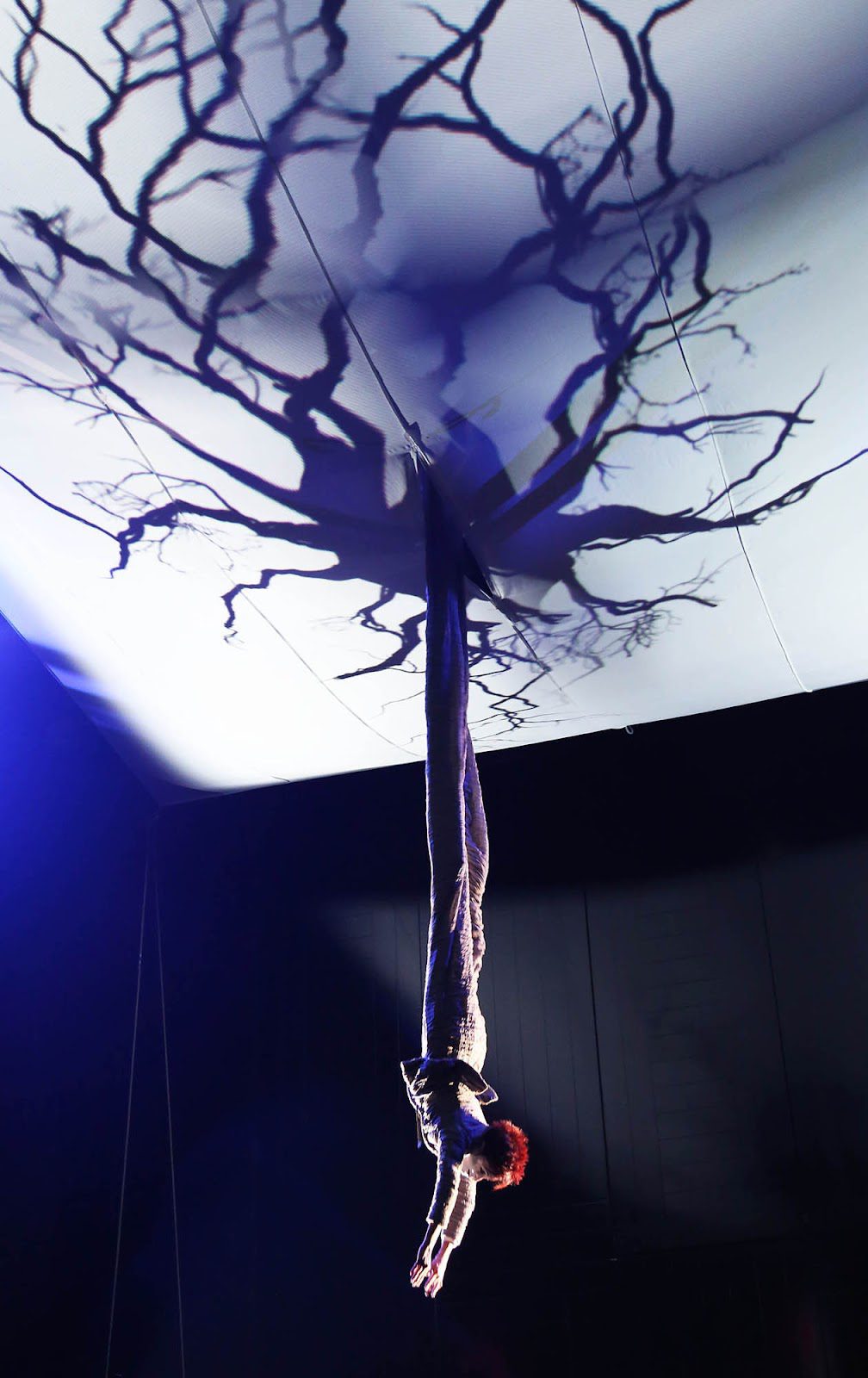
Visitors frequently praise the Polonsky Shakespeare Center for its stunning ambiance. The venue’s atmosphere enhances the artistry of its productions, with the professional ensemble delivering exceptional performances. Another key advantage is its prime location, ensuring accessibility for theatergoers.
The center boasts an outstanding program, featuring a diverse array of productions that resonate with a broad audience. Patrons often describe performances as mesmerizing, with lingering impressions that last well beyond the final curtain call.
However, the theater’s immense popularity can sometimes lead to a sense of crowding, particularly during intermissions. Despite minor logistical challenges, such as concessions-related delays, the overall atmosphere and aesthetic appeal create an inviting environment that keeps audiences returning. The Theatre for a New Audience at the Polonsky Shakespeare Center stands as a fusion of artistic brilliance and architectural grandeur, solidifying its status as a cultural landmark in Brooklyn’s theater scene.
Architectural Design
The Theatre for a New Audience at the Polonsky Shakespeare Center, located in Brooklyn’s Downtown Cultural District, serves as a laboratory for contemporary interpretations of classical plays. The building’s minimalist form belies its structural complexity and advanced acoustic insulation, shielding performances from external and underground city noise.
Clad in large gray metallic panels resembling gunmetal, the opaque exterior contrasts sharply with the glass curtain wall, which appears suspended above the structure. The building extends beyond its plot, with a second-floor lobby cantilevering boldly over the main entrance.
Structural elements include steel T-stanchions supporting low-iron laminated glass panels and decorative aluminum fins on the exterior curtain wall. The first-floor facade features frameless glass panels, while the opaque cladding consists of gray aluminum composite panels with a gunmetal finish.
Visitors enter at the ground level, transitioning from the curved forms of the exterior plaza into the building’s striking interior spaces. Ascending the central staircase, they arrive at a spacious lobby flooded with natural light. The wide windows offer views of the surrounding area, turning passersby into an audience for those inside—until they, too, step into the theater on the second floor.
Inside, the 299-seat theater’s intimate darkness contrasts sharply with the lobby’s brightness. The black decor and furnishings ensure that attention remains on the performance. The seating layout—orchestra and two modest balconies—brings audiences closer to the actors and can be reconfigured to accommodate different staging styles.
Green Building Innovations
In 2013, the Polonsky Shakespeare Center was nominated for a prestigious LEED-NC Silver certification by the U.S. Green Building Council. A defining feature of the venue is its state-of-the-art LED lighting, an uncommon but highly efficient choice for theater spaces of this kind.
Like the performances of the Theatre for a New Audience, the new building introduces a powerful yet nuanced presence within the Brooklyn Academy of Music (BAM) Cultural District. The architectural inspiration behind this high-tech space came from London’s Cottesloe Theatre (now the Dorfman Theatre). As in Cottesloe, the Polonsky Shakespeare Center’s courtyard-style stage is encircled by audience seating, fostering intimate and dynamic performances.
The orchestra floor is fully adaptable—it can be transformed into a thrust stage, a traditional proscenium setup, a flat floor, or even an arena configuration. Adjustable seating platforms and an innovative mounting system provide remarkable structural flexibility, ensuring that the space can accommodate a wide range of artistic expressions.