


Brooklyn has always been a city—and later a borough—steeped in theatrical tradition. There was a time when theaters seemed to sprout up like mushrooms after the rain, clustering close together and catering to a wide variety of tastes. One particularly notable example was the Slave Theatre. Over two centuries later, despite Manhattan’s dominance in the theater scene, Brooklyn continues to thrive as a hub for performance arts. The connection between Brooklyn’s theatrical past and present is unmistakable, forming a narrative that remains relevant to this day. Read more about this connection at brooklyn-trend.com.
The Play “Rachel”
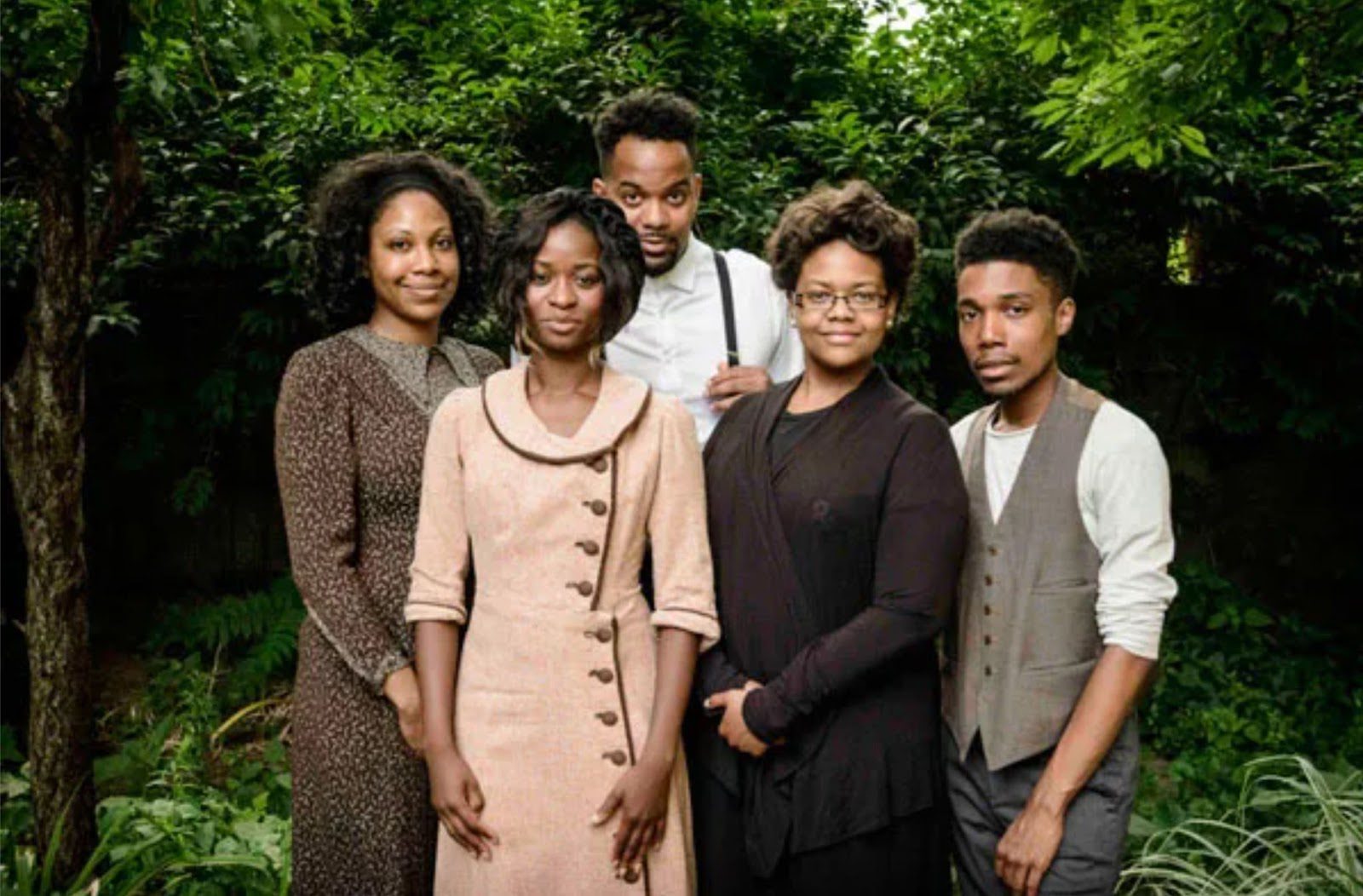
A prime example of this interwoven history is the play “Rachel”, which ultimately became a defining moment in Brooklyn’s theater landscape. This century-old anti-lynching play was staged with a modern twist, incorporating audio fragments from recent police killings of unarmed Black men. Originally written in 1916 by Angelina Weld Grimké, “Rachel” tells the story of a young Black woman grappling with a harrowing moral dilemma: whether to bring children into a world where they would inevitably suffer due to racism.
In one haunting scene, she hallucinates, envisioning her unborn children begging her not to bring them into a world of pain and oppression. The Brooklyn production amplified the play’s message by integrating recordings from Eric Garner, a Gowanus native who died from police chokeholds, and 911 calls related to Trayvon Martin, the Black teenager killed by a neighborhood watch volunteer in Florida.
Actress Santoya Fields, who portrayed the lead role, said she was deeply inspired by the Black Lives Matter movement, which took over social media and the streets of New York in response to the deaths of Black men at the hands of police. Fields actively participated, posting on Facebook and marching in protests, but nothing resonated with her more than the experience of embodying Rachel on stage.
A resident of Prospect Lefferts Gardens, Fields began her acting journey in Brooklyn. She personally connected with Rachel’s struggle, questioning, much like her character, whether she wanted to bring children into a world marred by racial injustice.
Theater as a Platform Against Racism
“Rachel” is just one of many plays spotlighting the work of Black female playwrights. Another example is Las Meninas by Lynn Nottage, which tells the story of King Louis XIV’s wife and her rumored affair with an African servant-dwarf. This relationship, according to legend, led to the child’s banishment to a convent. The theater’s artistic director noted that both plays explore the fear of bringing life into a hostile world—not just fear, but the challenges of raising a Black child in a society dominated by white power structures.
Santoya Fields hopes that these performances will spark conversations and inspire action. Many theatergoers see performances as an escape, but theater and art can also provoke dialogue and challenge long-held beliefs. The overarching message of “Rachel” remains painfully relevant: racial violence persists more than a century after the play was written. The sound clips used in the Fort Greene production served as stark reminders of racism in a society that often prefers to ignore it. It is a sobering reality that Brooklyn’s theatrical past and present remain connected through such tragic themes.
“The Death of Bessie Smith”
History has shown that theater can drive real change. For instance, John Galsworthy’s “Justice” inspired Winston Churchill to reform Britain’s penal system, while John Herbert’s “Fortune and Men’s Eyes” led to the creation of The Fortune Society, helping former convicts reintegrate into society. Edward Albee’s “The Death of Bessie Smith” was intended to prevent the closure of an interfaith hospital.
Set in a segregated Memphis hospital on the day Bessie Smith, a famous blues singer, was fatally injured in a 1937 car accident, Albee’s one-act play was inspired by the false claim that she died because a whites-only hospital refused to treat her. Despite the title, Smith herself does not appear in the play; instead, the focus is on an unnamed nurse—a bitter, flirtatious woman who berates her racist father, mistreats a Black hospital orderly, teases an intern doctor, and clashes with another nurse. The play is sharp, tense, provocative, and darkly humorous.
Written in 1959, “The Death of Bessie Smith” had not been staged in New York since its Broadway debut in 1968.
The Fight to Preserve Brooklyn’s Theatrical Heritage
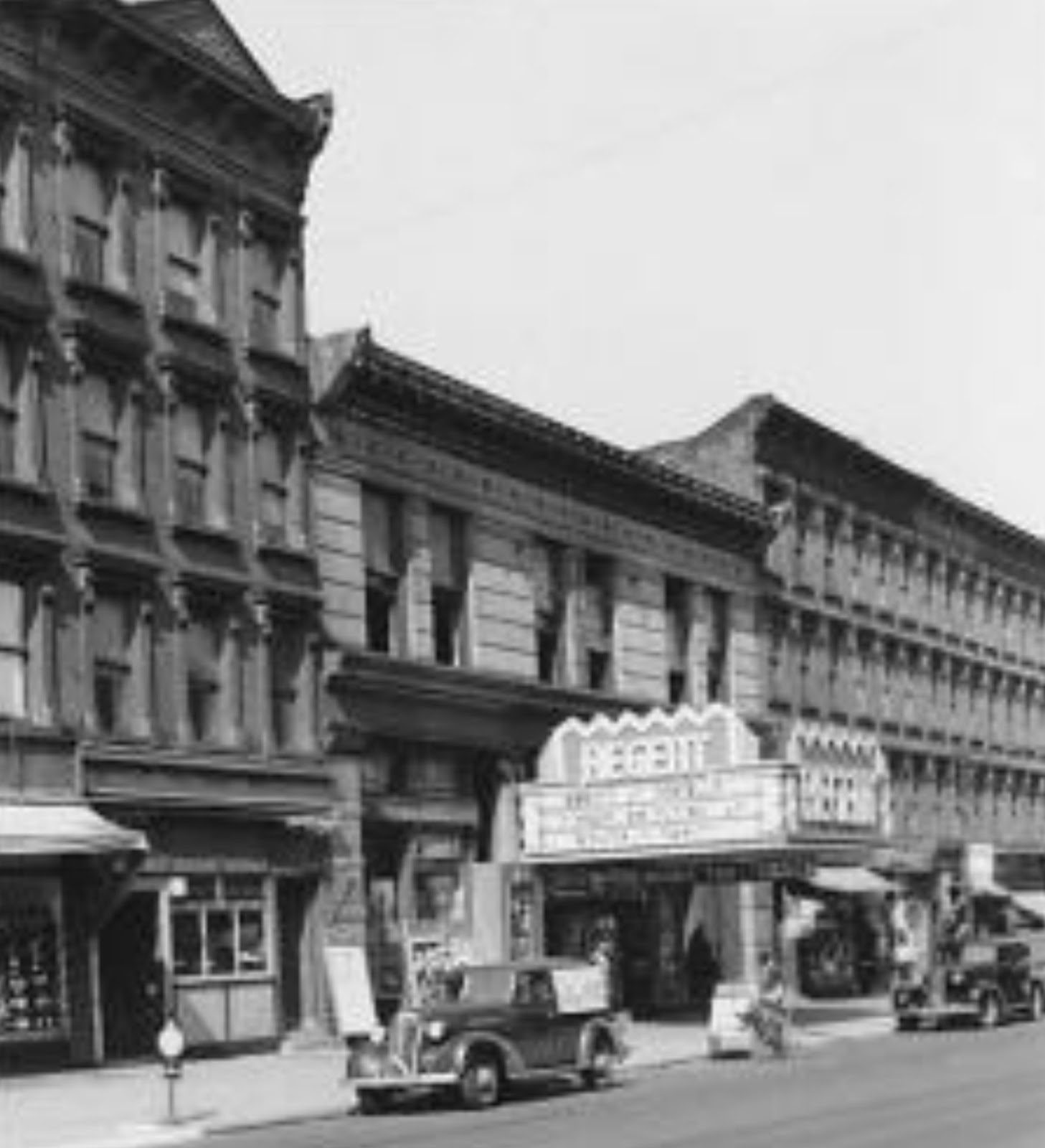
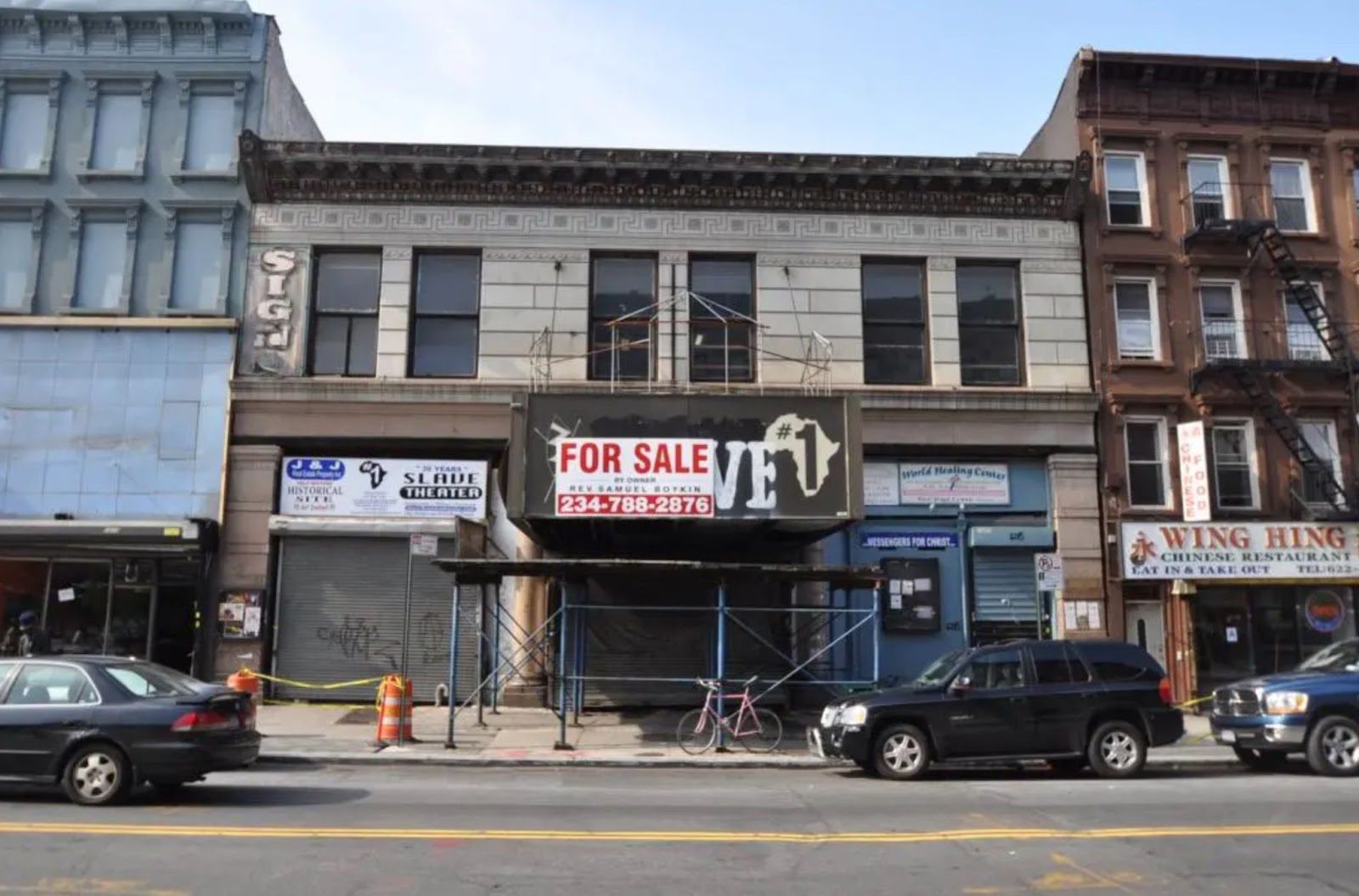
Artistic director Jonathan Solari founded The New Brooklyn Theatre with the ambitious goal of saving the deteriorating Slave Theatre at 1215 Fulton Street in Bedford-Stuyvesant. His vision was to transform the abandoned venue into a new performing arts center. Driven by his passion, Solari’s productions enjoyed remarkable success—every show he staged over 18 months was a sellout.
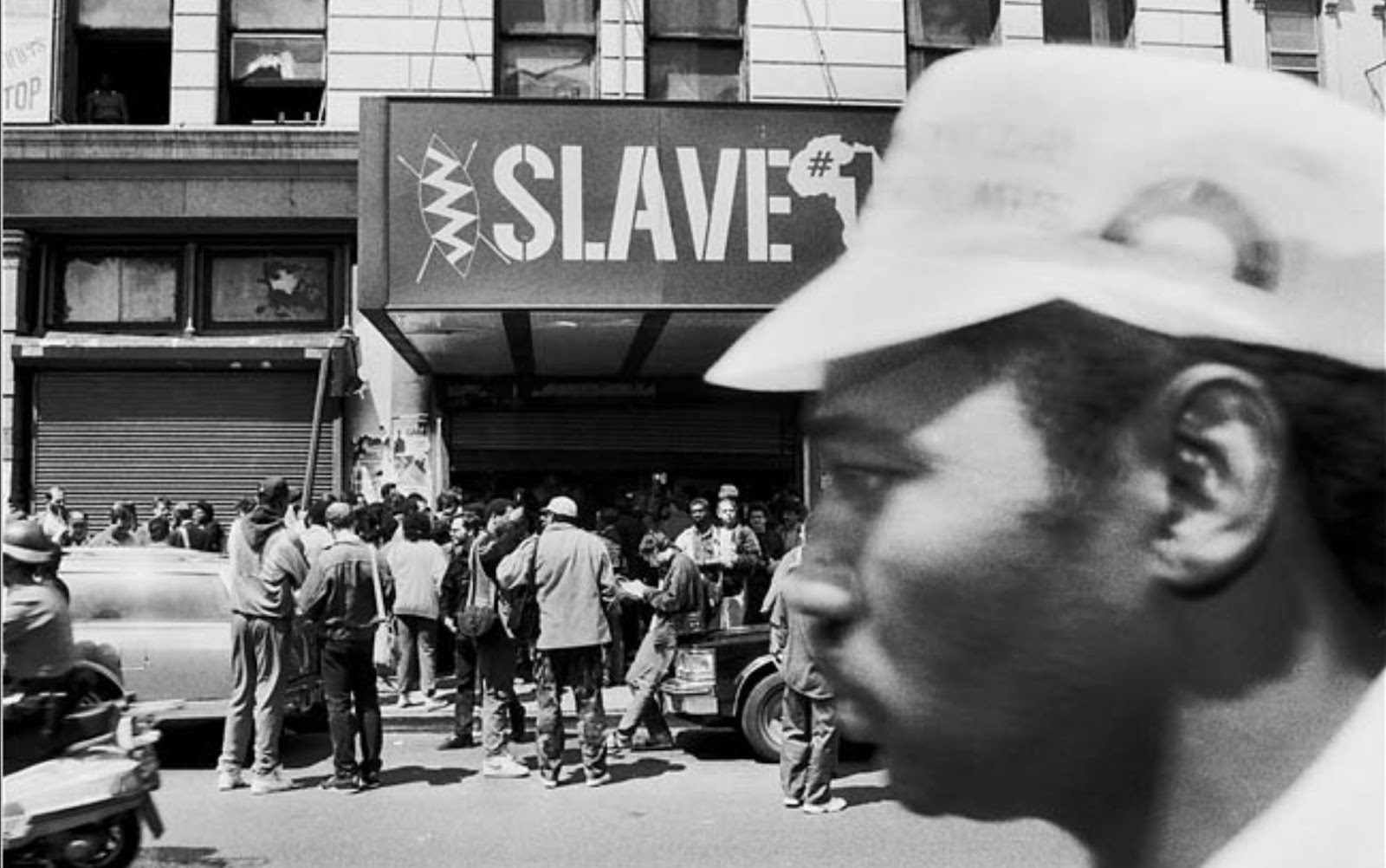
The history of the Slave Theatre is particularly symbolic. Originally known as the Regent Theatre, it was renamed to reflect Brooklyn’s African American heritage after being purchased in 1984 by Judge John Phillips, a prominent Black attorney.
In 1986, a series of racially motivated attacks on Black men in Howard Beach, Queens led Phillips to repurpose the theater as a community hub for meetings and activism, renaming it Slave One.
The Struggle to Save Slave One
Jonathan Solari first learned about the theater’s legacy in 2012, during an interview with Clarence Hardy for “The Love Letter You’ve Been Meaning to Write New York” project. Hardy’s stories about the theater’s decline deeply moved him. Having passed the venue countless times, Solari felt an overwhelming urge to preserve its essence for future audiences.
By then, the theater was in severe disrepair, nearly impossible to restore. Architectural experts suggested that Slave One might have to be demolished, but Solari refused to give up hope.
After several years of advocacy, the battle to save Slave One ended in December 2016, when its new owner, Industrie Capital Partners, demolished the building to construct a multi-purpose complex. Whether this marked the true end of Brooklyn’s connection between past and present theaters remains an open question.
Sources
- https://www.brooklynpaper.com/sound-of-violence-anti-lynching-play-uses-audio-footage-of-eric-garner/
- https://observer.com/2015/05/a-new-theater-company-looks-for-a-home-in-bed-stuys-slave-theater/
- https://newyorktheater.me/2014/01/15/can-edward-albee-save-brooklyns-interfaith-hospital-can-theater-change-the-world/