


After decades of neglect, the fully restored historic Williamsburg Opera House has resumed its original purpose. It wasn’t until late 2021 that the first performance-concert, Spirit of Christmas, featuring Matt Maher, took place here. According to Monsignor Jamie Gigantiello, head of the new Emmaus Center, which now manages the venue, this 600-seat theater has become the fourth-largest of its kind in Brooklyn, following Barclays Center, King’s Theatre, and the Brooklyn Academy of Music. Until recently, few Brooklynites were even aware that such a remarkable opera house existed in the heart of Williamsburg. Read more about the history of its restoration at brooklyn-trend.com.
The Origins of the Opera House
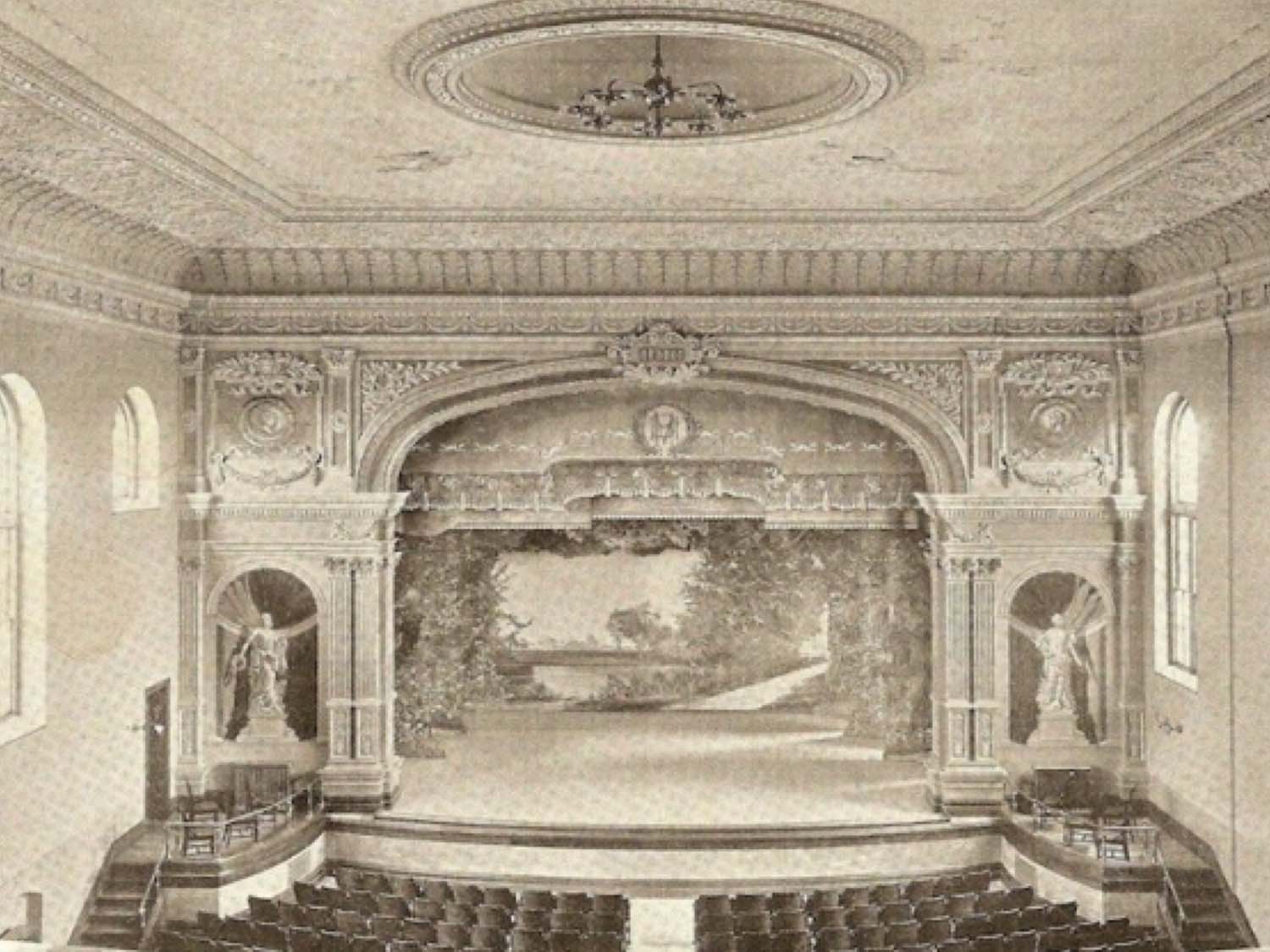
What is known about this building today? First and foremost, this hidden gem of Williamsburg was constructed between 1895 and 1897. At the turn of the 19th and 20th centuries, this area was Brooklyn’s cultural center, and this opera house was one of the first in what was then still a city. The building is located next to the beautifully restored Saints Peter and Paul Catholic Church on Berry Street—an interesting coincidence.
As it turns out, the mission of the Emmaus Center extends beyond merely entertaining audiences. Their goal is to evangelize those who do not have God in their lives, people who do not know Christ. The center aims to plant the seeds of faith through music, song, and dance, as Monsignor Jamie Gigantiello explained to journalists.
The five-year restoration project returned the Williamsburg Opera House to its original grandeur, making it accessible to the public once again. Before its grand reopening, few people remembered that such a stunning venue stood right in the middle of the city. The seating, moldings, and interior design were either preserved from the original structure or recreated based on old photographs.
The grand ballroom has retained much of its original 19th-century architecture. This space adds an ideal touch of sophistication, elegance, and charm. Today, the grand salon is more suited for private gatherings, serving as a functional meeting space or conference room. It features beautiful parquet flooring, floor-to-ceiling windows allowing natural sunlight to flood the space, and a separate entrance and exit.
The Royal Room is perfect for hosting formal dinners, sessions, or meetings. Similar to the grand salon, this room boasts exquisite wooden floors, tall windows, and a separate entrance and exit. The presence of original parquet flooring, antique windows, and other preserved elements underscores the fact that history still resides here.
These elements serve as a magnet, drawing audiences back to the venue. The historic details, such as the intricate ceiling carvings and the lettering above the stage, have been preserved as testaments to the past. The integrity of the restoration aimed to revive the Opera House’s former glory, a goal successfully achieved after five years of meticulous work. The restoration efforts were led by Monsignor Anthony Hernandez, with strong support from Bishop Nicholas DiMarzio.
The Opera House Post-Restoration
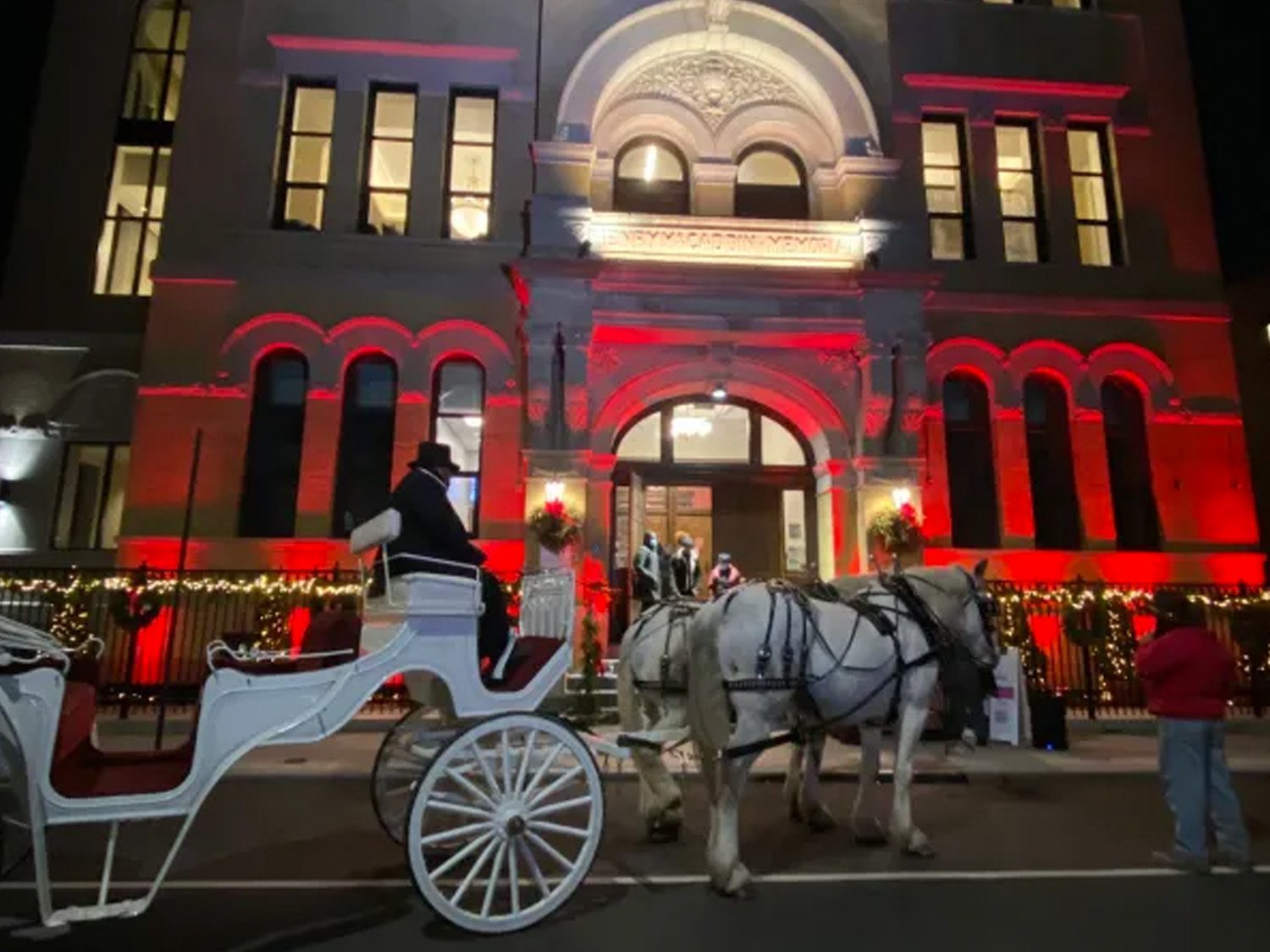
While the charm of historic authenticity is undeniable, it does come with a few trade-offs in modern conveniences. For example, the balcony seats lack cushions, and additional legroom would have been a welcome feature.
Nevertheless, audiences have eagerly returned, thanks to the Diocese of Brooklyn’s efforts to restore the theater’s former splendor. In addition to concerts, the Opera House and Emmaus Center now host film screenings, theatrical performances, lectures, informational programs, and private events.
The overarching theme of both past and future performances at the Williamsburg Opera House and the Emmaus Center revolves around the presence of God in our world and our lives.
Among those contributing to this vision is the legendary Jonathan Richman, known for songs like Roadrunner, Parties in the USA, and I Danced in a Lesbian Bar. He has performed two shows at the Opera House, offering something for everyone in the audience. Monsignor Hernandez emphasized that the clergy’s decision to use the venue as a cornerstone for the Catholic community in Williamsburg was intentional—not just as a theater but as a space for performances carrying meaningful messages.
A Pillar for the Catholic Community
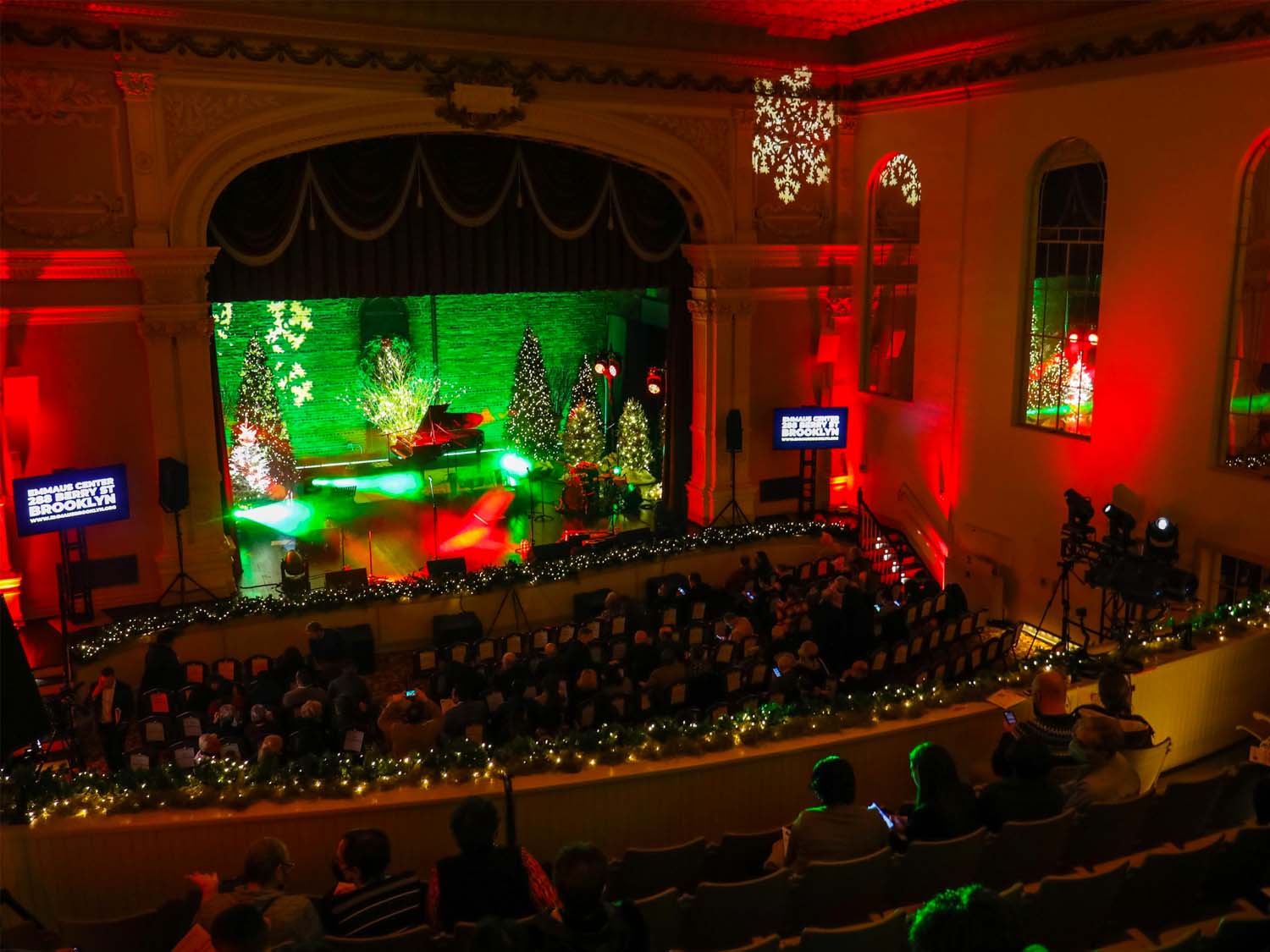
The Williamsburg Opera House is now not only a pillar for the Catholic community but also an instrument of cultural outreach for the diocese. Monsignor Jamie Gigantiello, then chairman of the Emmaus Center, shared plans in 2021 to use the arts as a means of evangelizing the local community. If a community values the arts, then for them, art is more than a hobby or profession—it is a way of life.
Using art, the center aimed to reach people where they were, plant seeds of faith, and restore spirituality in the Williamsburg community. Events at the Emmaus Center were planned to begin six months after its opening, a timeline that was successfully met. As a result, the Opera House became part of an evangelistic institution while remaining open to all. Visitors, however, should expect a certain degree of spiritual messaging.
Craig Tubiolo, then the executive director of the Emmaus Center, spoke about his passion for sharing this experience with people. He emphasized that anyone walking into the restored Opera House could appreciate its beauty. Regardless of whether someone sought to become Christian or simply wanted to attend events, the venue welcomed everyone. The theater’s message to the community was clear: they were there to help, and all were invited to become part of this unique space.
A Venue for Corporate Events
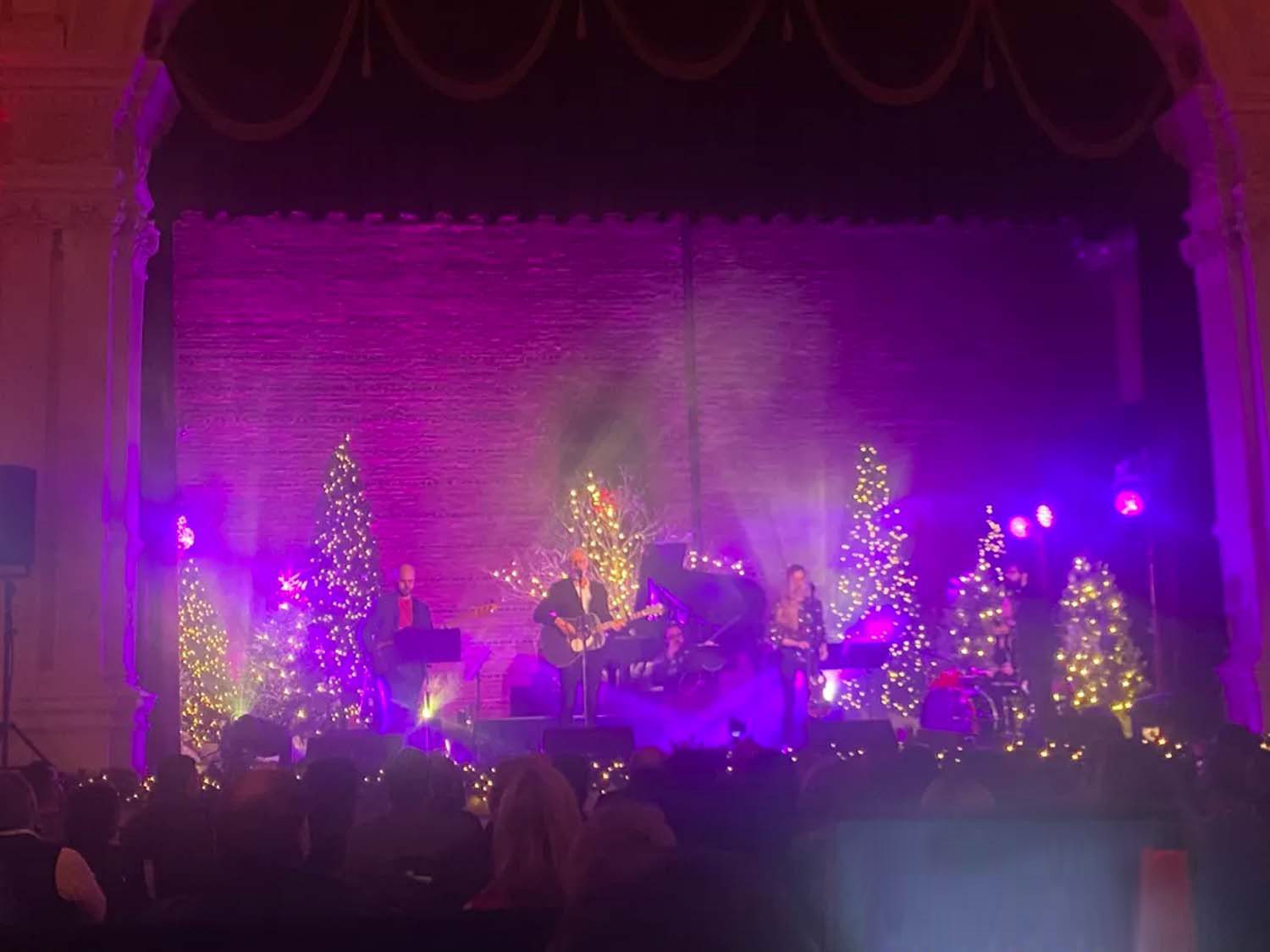
Despite its noble mission, the Williamsburg Opera House also needed to sustain itself financially. As a result, the venue is available for corporate and private events. It is an excellent choice for summits, retreats, or celebratory gatherings. The Opera House can accommodate up to 350 guests for seated dinners or 500 guests for cocktail-style receptions. The total capacity of the theater is 600 guests.
The grand space, adorned with elegant chandeliers, original architecture, and a spacious opera stage, exudes 19th-century grandeur. The large mezzanine and additional meeting rooms provide valuable spaces for breakout sessions, negotiations, or team-building activities. For those looking to enchant their guests and create unforgettable memories, the Williamsburg Opera House is an ideal venue for private events such as weddings, holiday parties, and milestone celebrations.