


The Brooklyn Academy of Music first opened its doors to the public on January 15, 1861. It began operations in Brooklyn Heights, at the corner of Montague and Clinton Streets. The performing arts center was founded by wealthy Brooklyn families like the Lowes and Pierreponts, who wanted a concert hall in their neighborhood to rival New York’s. Read about the success of the venture at brooklyn-trend.com.
History of creation
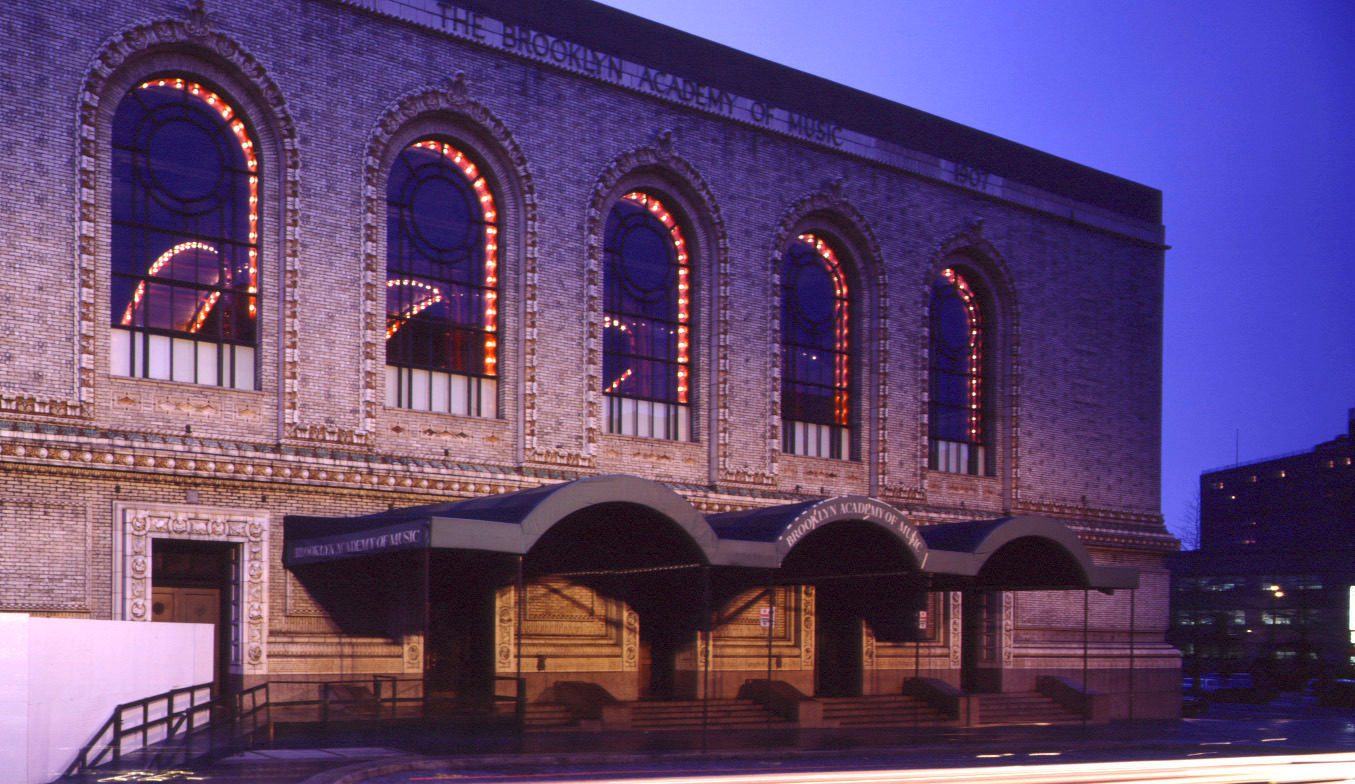
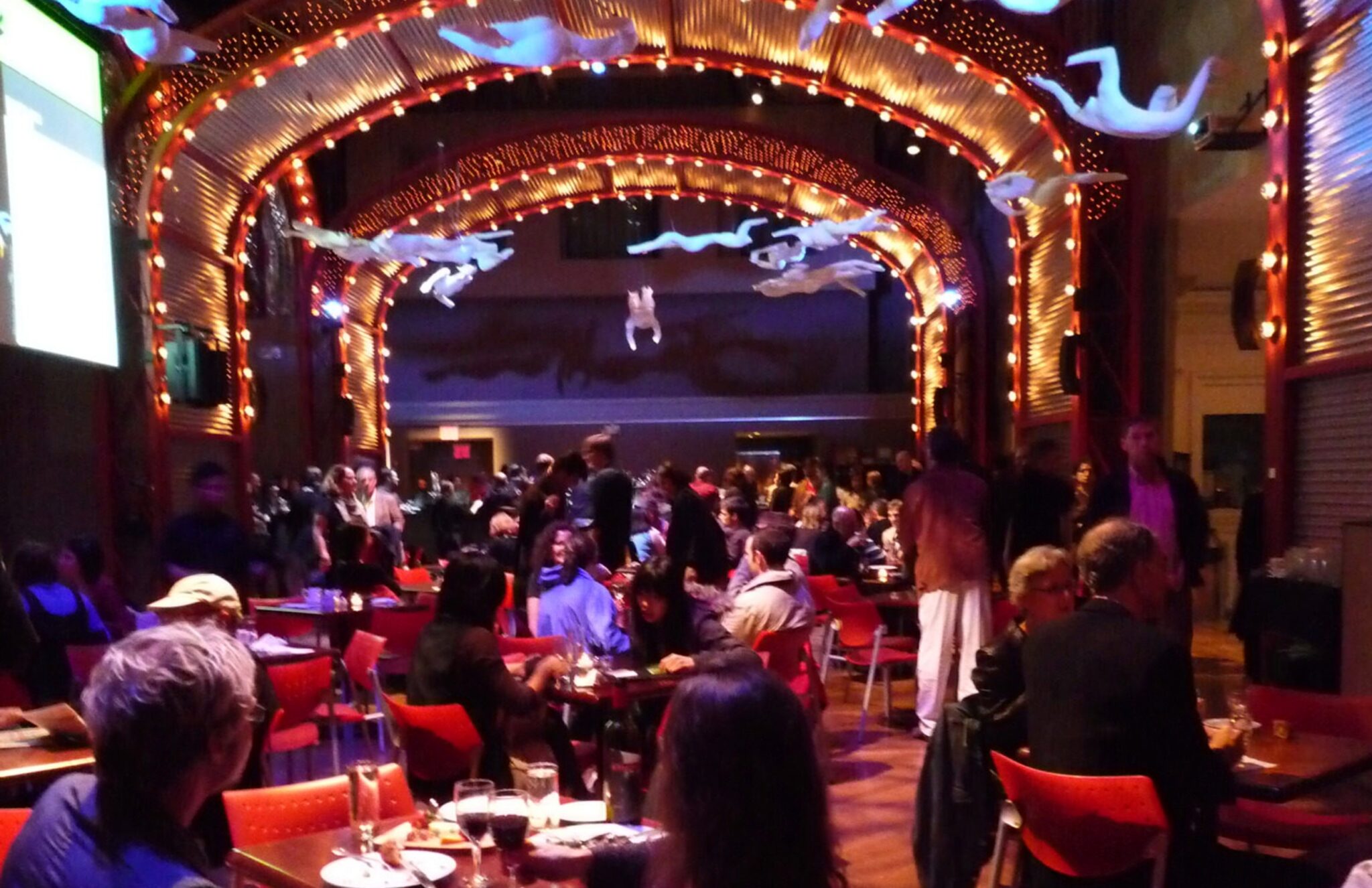
The buildings of the Brooklyn Academy of Music were designed in the neo-Italian style of cream-colored brick. They include three main performance spaces – the Howard Gilman Opera House, with a capacity of 2,109 seats, the Harvey Lichtenstein Theater with 874 seats, and a local cafe formerly called Lepercq Space. They also include an old ballroom converted in 1997 into a restaurant and live music venue.
During its existence, many famous personalities have performed on the Academy’s stages. Edwin Booth was one of them. He was a famous nineteenth-century actor who first performed at the Academy in 1862, and in April 1891 he gave his last performance at the Montague Street building before announcing his retirement. Thousands of spectators came to see him in his signature role of Hamlet based on William Shakespeare’s tragedy.
Over its more than 160-year history, the Brooklyn Academy of Music has hosted performances by Frederick Douglass and Amelia Earhart, dance performances led by choreographer Martha Graham, and the French actress Sarah Bernhardt. She is considered one of the world’s best actresses in her time. At the turn of the century, international operas were staged at the Academy, and famous symphony orchestras and theater actors demonstrated their skills here.
From 1935 to 1970, the Brooklyn Academy of Music was one of several organizations that were closely associated with the Brooklyn Institute of Arts and Sciences, which later became the Brooklyn Museum. Harvey Lichtenstein, at one time the president and executive producer of the Academy, expanded its program to include ethnic music, dance, and theater. In 1981, the academy established a local development branch, which purchased and renovated several existing venues in the area.
In 1998, the performance space was further expanded with the addition of four Rose Cinemas. The Academy continues to encourage new and unusual performances and attracts audiences from around the world.
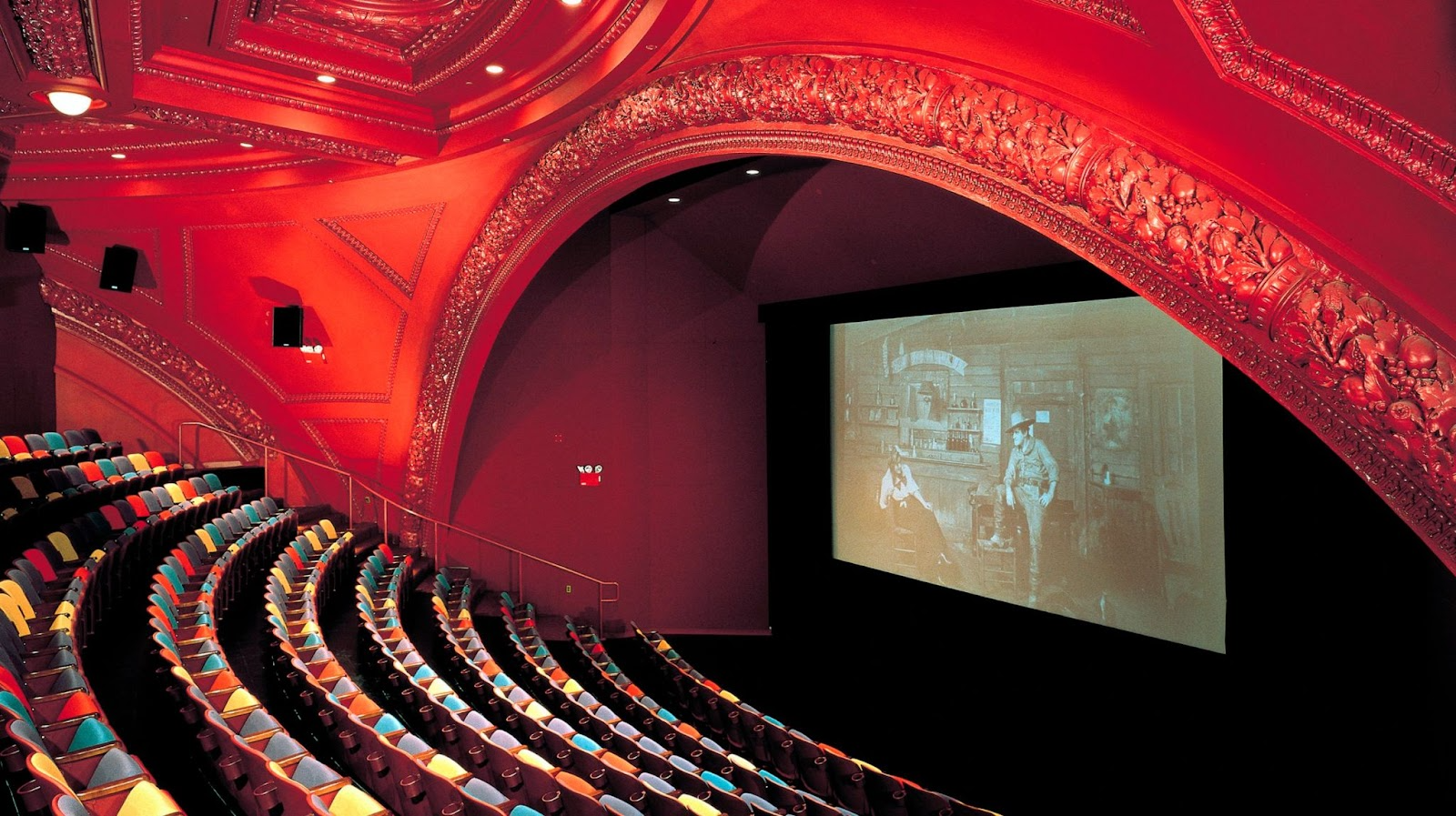
Speaking of performance. For more than a century, the Brooklyn Academy of Music had only one theater space at its disposal. First on Montague Street in Brooklyn Heights, and later, in 1908, it was replaced by the Beaux-Arts Building on Lafayette Avenue in Fort Greene. But later, in 1987, the Academy added the Harvey Theater to its property. And ten years later, it converted the theater in a building on Lafayette Avenue into a movie complex. And most recently, the Brooklyn Academy of Music opened another theater, the Fisher, next door.
Center for the Performing Arts
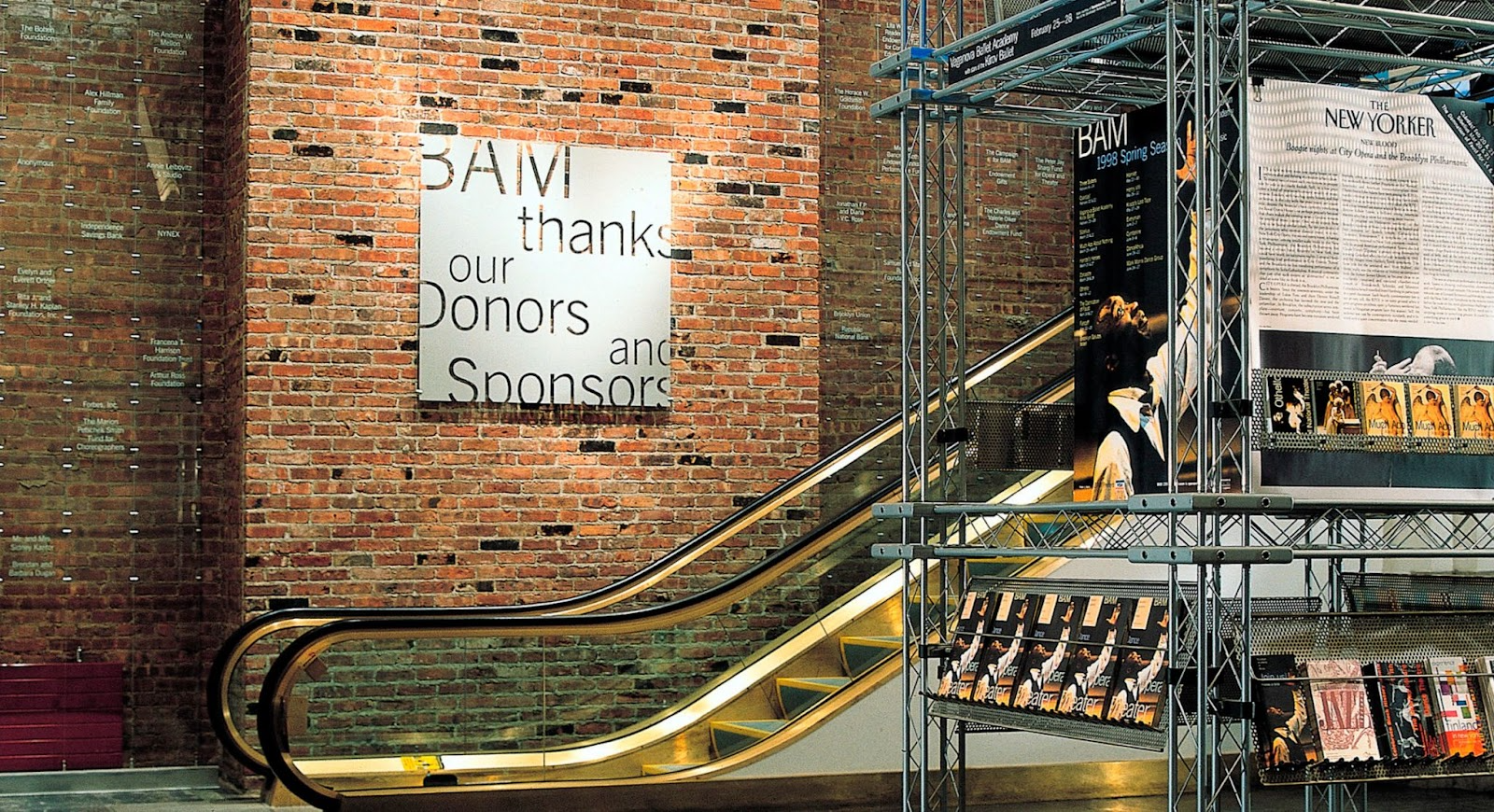
The result is a performing arts center whose growth has mirrored and largely contributed to the boom in both the real estate and cultural markets in downtown Brooklyn. Not long ago, the Brooklyn Academy of Music announced a $25 million construction project that would unite three academic spaces, creating permanent visual arts galleries and providing new amenities for visitors.
Much has changed at the Academy since it first opened in 1861. The current Fort Greene neighborhood is considered one of the most desirable and expensive residential areas in New York City. The city of New York itself has invested about $100 million in the Brooklyn Cultural District, which includes more than 40 nonprofit visual, performing, and media arts organizations. Among them are the Mark Morris Dance Center, the Theater for a New Audience, and the BRIC House arts center.
In part because of all this growth, the Brooklyn Academy of Music decided it was important to initiate an expansion that would help anchor the northern border of the cultural district. The project was called Strong, in honor of the Strong siblings, the children of Bridget Vosse, the theater’s main donor and trustee.
Today, the world around the Brooklyn Academy of Music is changing very rapidly, as is Brooklyn, and the Academy believes it must respond. Although the Brooklyn Academy once helped pave the way for innovative theater, music, and dance, the institution initially struggled to attract audiences to the once dangerous neighborhood.
Today’s realities
Until 2013, the Academy even provided a special bus to transport viewers to and from Manhattan. Nowadays, the Brooklyn Academy is considered an elder of the avant-garde, a model that is widely imitated around the world. Over the years, it has become an absolute leader with amazing potential and breadth of activity.
All this allowed the management to implement various projects. For one of them, the city allocated $6.2 million, plus the academy raised $17 million directly. The project included new balcony seating at Harvey and a one-story structure at 653 Fulton Street between the academy’s buildings at 651 Fulton Street and 230 Ashland Place. In addition, there is a coffee shop on the ground floor. The buildings facing Fulton Street were connected by a new canopy that emphasized the presence of the Brooklyn Academy. The project was completed in September 2017.
In general, the idea was to use the canopy to connect the iconic facade of the old theater and the surrounding spaces into a single whole. Harvey, by the way, is a former vaudeville theater from 1904, which became the first cinema before it was forgotten. The building has not attracted much attention since it was restored by Hugh Hardy in 1987. It became the second, slightly smaller theater of the Performing Arts Center.
The main reason for this reconstruction turned out to be very noble, the academy decided not only to improve the customer experience of Harvey, but also to make the people sitting on the balcony much happier. They also organized an exhibition space for visual art, along with a sculpture terrace, where works commissioned as part of the new public art program are presented.
Uniting the arts
Part of the Brooklyn Academy of Music’s branding has been to combine art and theater. Thanks to $3.5 million from the Robert Wilson Charitable Foundation, the Academy has been able to use public art to define and unify places on its campus. While the Academy has presented visual arts programs in the past, this project was an attempt to do so in a more focused and sustained way. And since everything was done correctly, the visual arts program has become much more interesting. The same story happened with the film program at one time.
The institution has also secured space on the second and third floors of a residential tower built by Two Trees Management in the northern section of the Brooklyn Cultural District, not far from where the Academy holds its events. The space, which displays the organization’s films and archives, is called Karen, in honor of Ms. Hopkins, who was succeeded by Kathy Clark, the recent director of the St. Luke’s Orchestra.
Sources: