


In nineteenth-century Brooklyn, cultural recreation consisted of several components. One of them was compulsory participation in various public events. For example, such as the Fantastic Parades. Performances in the newly created parks were very popular. An example is the Concert Grove in Prospect Park, which has always had a large audience. In addition, Brooklynites were eager to join sports clubs for activities such as bicycling, baseball, or ice skating.
The development of Prospect Park and other public spaces provided places for recreation and social gatherings, while the influx of immigrants and the growth of commercial entertainment, such as the miniature dress-up shows, further enriched the borough’s cultural landscape. The interest in this type of entertainment among Brooklyn residents and visitors. Learn more at brooklyn-trend.com.
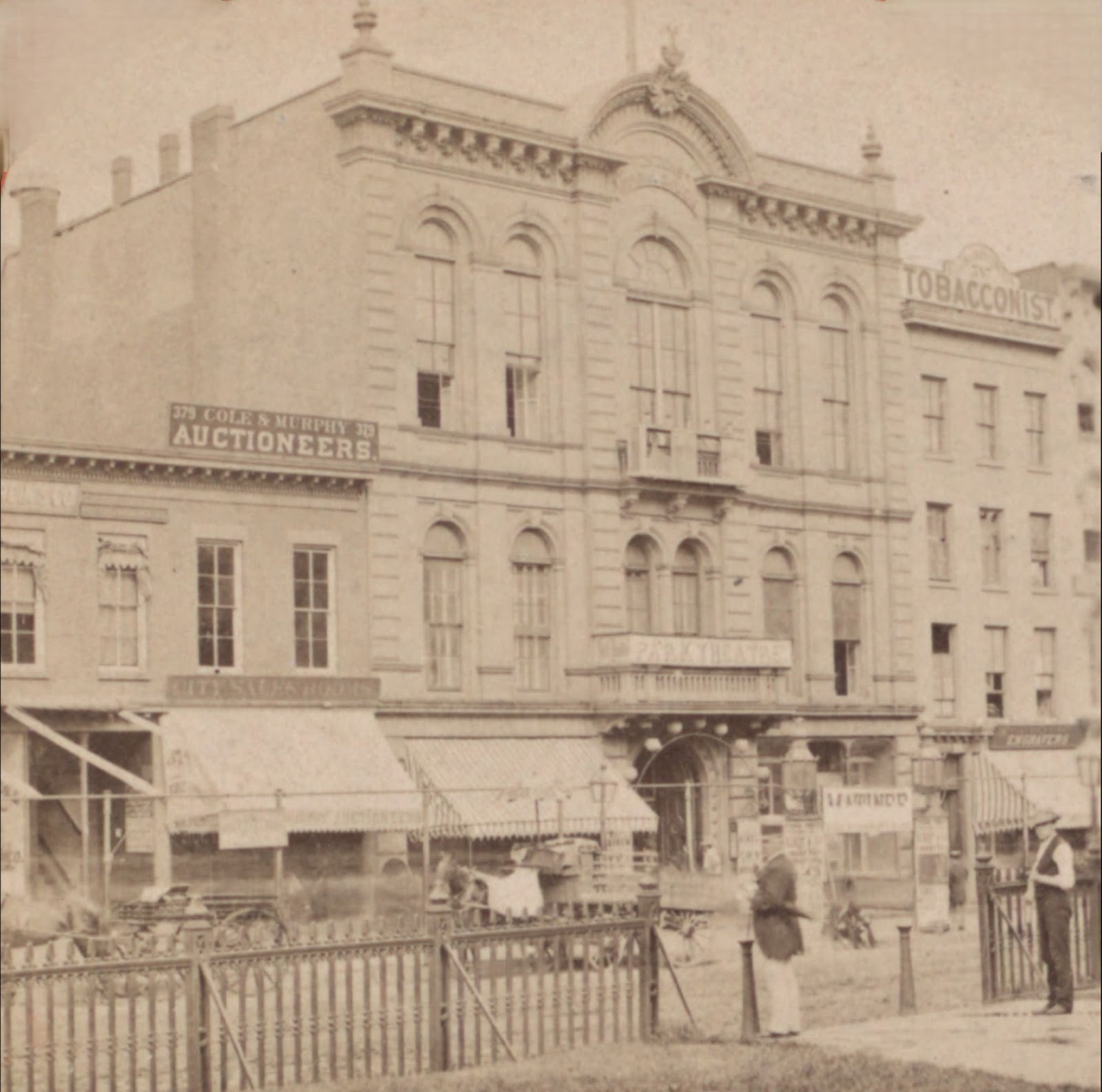
“Park Theater”
So, everyone realized that when it comes to arts and entertainment, Brooklyn is a center of creativity and diversity. Nowadays, the borough has everything from music venues and improvised theater stages to art galleries. Also, one should not neglect such an aspect of cultural recreation as the theater scene.
Especially when it comes to the Brooklyn scene. It has a rich history and a successful present. Therefore, Brooklyn’s theaters have always been, are, and most likely always will be a must-see place, especially if you have an irresistible desire to enjoy the best live performances.
It should also be noted that the traditions of such a love for theatrical recreation were laid down in the century before last.20 For example, the first theater in Brooklyn was built in 1808. Everyone knew it as the Park Theater. It was located in the Fort Greene neighborhood and could seat up to 2000 people. This theater was a popular vacation spot not only for Brooklynites, but also for fans from all over New York City.
There was nothing surprising in this, because such famous actors as Edwin Booth and Charlotte Cushman played here. In general, it should be noted that at the end of the nineteenth century, the Brooklyn theater scene experienced a remarkable boom, which prompted the opening of several new venues. Among them was the Brooklyn Academy of Music, which was founded in 1861 and is still one of the most famous musical and theatrical institutions in the borough.
Other well-known theaters of the time include the Brooklyn Playhouse, the Grand Opera House, and the Majestic Theater. Although, to be fair, it should be noted that the Brooklyn theater scene really blossomed a little later, in the early 20th century. And the opening of Brooklyn’s Paramount Theater in 1928 marked the beginning of a golden age for theaters in the borough.
Let’s go to the movies
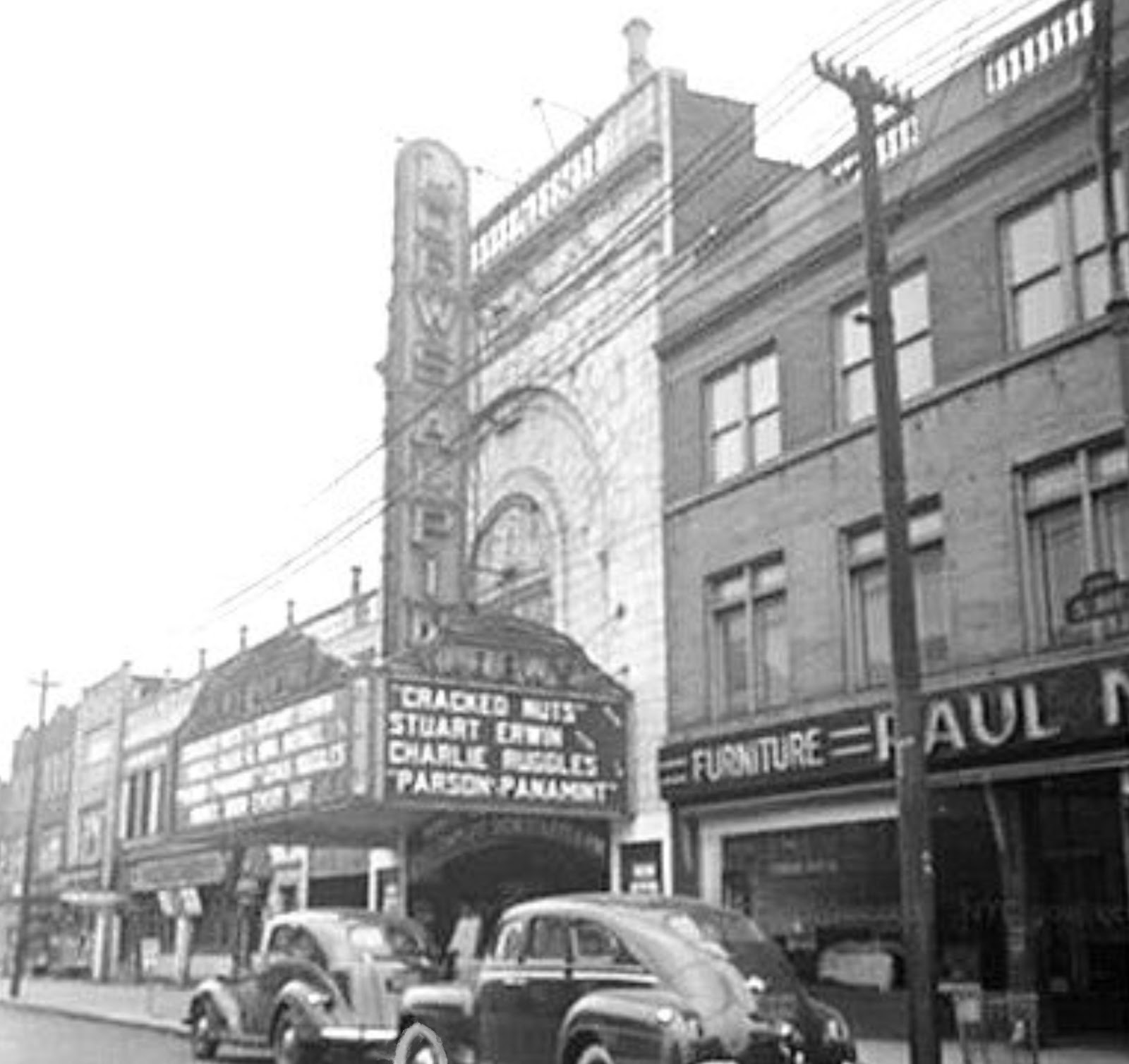
Although it was the Paramount that positioned itself as the first cinema to show sound films. Nevertheless, this Art Deco establishment could accommodate more than 4000 people and hosted such popular performers as Frank Sinatra and Elvis Presley. As a result, the locals and guests of the Borough loved to relax here.
Speaking of movie theaters, we can’t help but talk about another iconic place in the borough. It is the oldest movie theater in Brooklyn – Alpine Cinemas. It was opened in the early 20th century. The owner of the cinema, Marcus Lowe, invited 25 famous movie stars as guests to the first film that was shown here.19 The opening night took place on June 6, 1921, and the ticket cost only 25 cents.
The first film shown on this screen was Thomas Meighan’s City of Silent Men. Although today’s viewers, even the most erudite, are unlikely to recognize the stars on the guest list, they have most likely never seen a Meighan film, and can afford to pay a much higher ticket price. Alpine Cinemas still stands on Fifth Avenue in Bay Ridge, Brooklyn. It is more than 100 years old. Nowadays, just like in the last century, Brooklynites like to relax here watching movies.
By the way, the building of the first Brooklyn cinema was designed by experienced theater architects from Carlson & Wiseman. Not much is known about Arthur Carlson, but Harrison Wiseman was quite the designer. He created more than twenty movie theaters throughout New York City, including the former Pavilion Theater, which is now Nitehawk Prospect Park. Also, the Village East Cinema, which was originally a Yiddish theater, and the Kameo Theater in Brooklyn. This building now houses a church. And what’s nice is that all three of the cinemas are still standing.
Prospekt Park
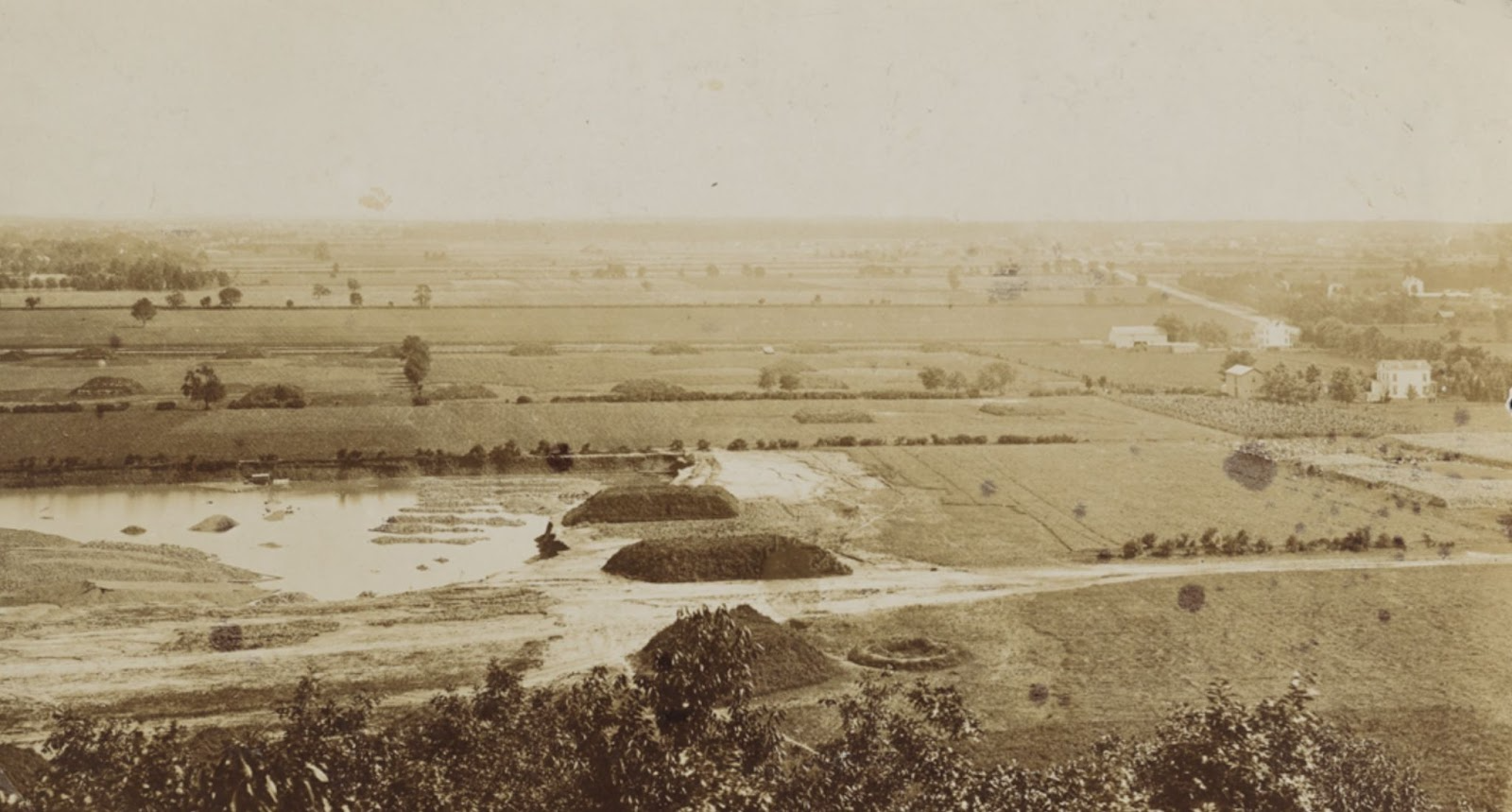
Brooklyn’s Prospect Park covers an area of 585 acres. At its core, it is a hybrid of built structures, planned landscapes, and natural areas that have remained relatively unchanged to this day. There are forest and paved paths, open lawns, a lake and several streams. There is the only wooded area that can be considered a Brooklyn forest, hills and other recreational facilities, as well as baseball fields and educational facilities.
The author and inspirer of the idea of creating such a park was James Stranahan, a businessman and public figure. He believed that Brooklynites lacked a park. He had a real estate business in Brooklyn, so he hoped that the park would help attract people to the borough and turn Brooklyn into a metropolis.
Stranahan was the driving force behind the new park, serving as the first president of the Prospect Park Commission, the man who chose the design that Frederick Law Olmsted and Calvert Vaux came up with. These are the landscape architects who once created Central Park in Manhattan, and not only that, but many other parks in the city and the country.
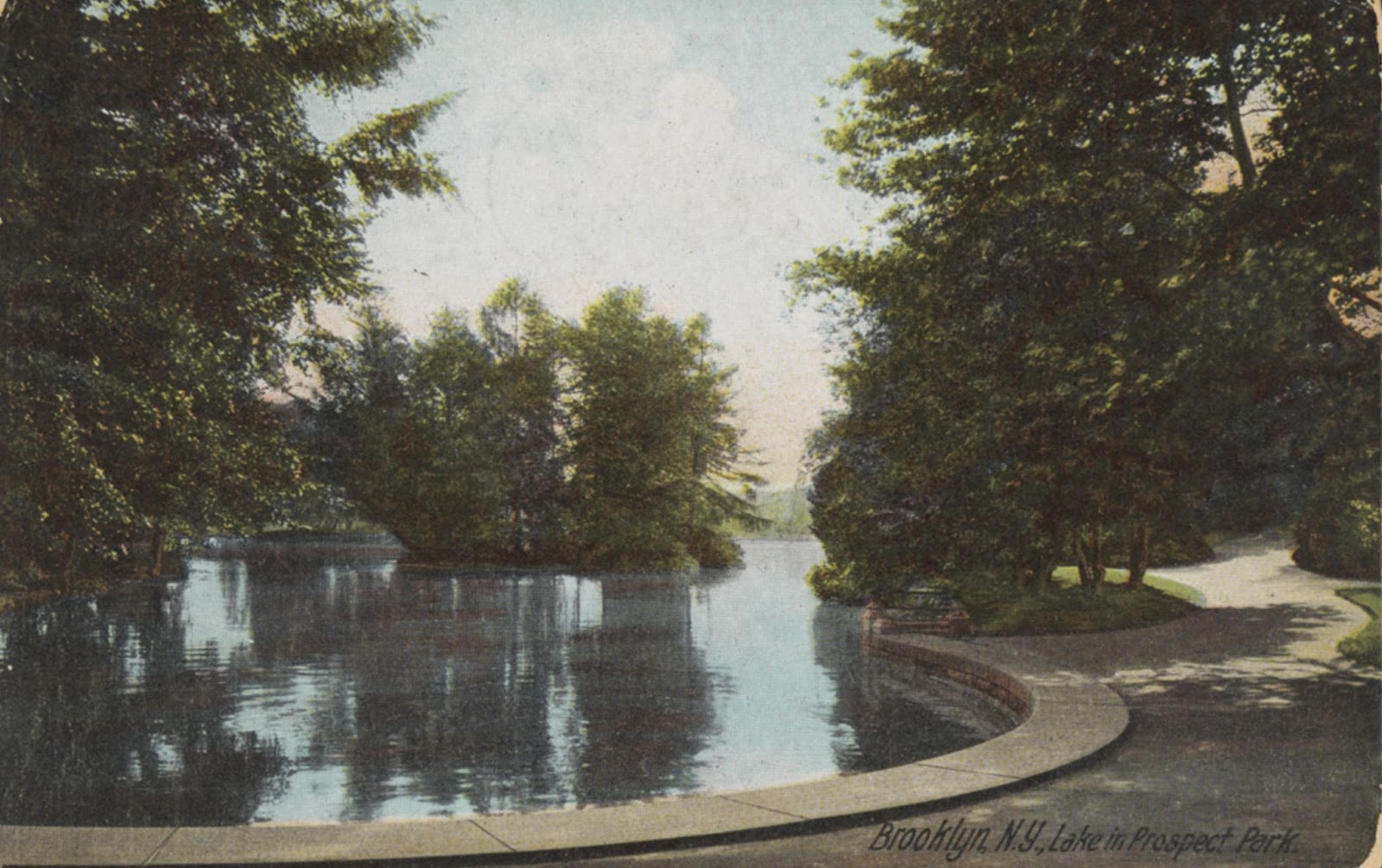
Among the many interesting places built in the park, there was a special one – the House and Pavilion of the Concert Grove. It was specially installed next to the lake so that visitors walking in the park could enjoy music in a pastoral environment. Another original feature of the Concert Garden was the Music Island, where live performances took place and the audience sat outdoors in an open-air pavilion along the lake.
It was one of the most favourite places for Brooklynites to relax, because not every park has a Music Island. Here’s an interesting fact: before Prospect Park was magically founded, Brooklyn residents used to visit Green-Wood Cemetery to find a small space for outdoor recreation.
During its existence, the park has undergone several transformations. After the 1979 fire that nearly destroyed the Concert Pavilion, it stood dormant until 1987, after which it was restored to its original appearance.
A cultural mecca
Brooklyn has long been regarded as a cultural mecca,11 and its theatre and concert scenes are the most striking testament to this. With a rich history and a thriving present, the borough has no shortage of theatres to explore. Many of these Brooklyn venues have been entertaining the city’s citizens since the nineteenth century.
And we are talking about both large historic venues and small, intimate spaces. From almost two centuries ago to today, anyone who attends a play or concert in Brooklyn will find something interesting to do. And that means that the next time you’re in the area, be sure to attend a show at one of these amazing theatres.
Sources: