


The Brooklyn Symphony Orchestra was formed to perform classical and romantic works, along with compositions from the 20th century. The orchestra held concerts at the Brooklyn Museum and performed in smaller ensembles across various venues in the borough. Established in 1973, this year is officially recognized as the founding year of the ensemble. The orchestra’s membership comprised talented amateur musicians, semi-professionals, and professional musicians—individuals from all walks of life who played music purely for the joy and satisfaction of performing.
Following the orchestra’s establishment, the Brooklyn Heights Music Society was founded the same year. Its goal was to promote appreciation for musical arts within the Brooklyn community. Additionally, the society became the sponsoring organization for the Brooklyn Symphony Orchestra and various chamber ensembles. Each year, the society funds concerts at different Brooklyn locations as a charitable organization. The Brooklyn Heights Music Society and the Brooklyn Symphony Orchestra were overseen by a working board of directors, which met regularly to plan upcoming performances. For more details on the orchestra’s formation and artistic journey since the 1970s, visit brooklyn-trend.com.
Brooklyn Symphony Orchestra’s Brand Identity
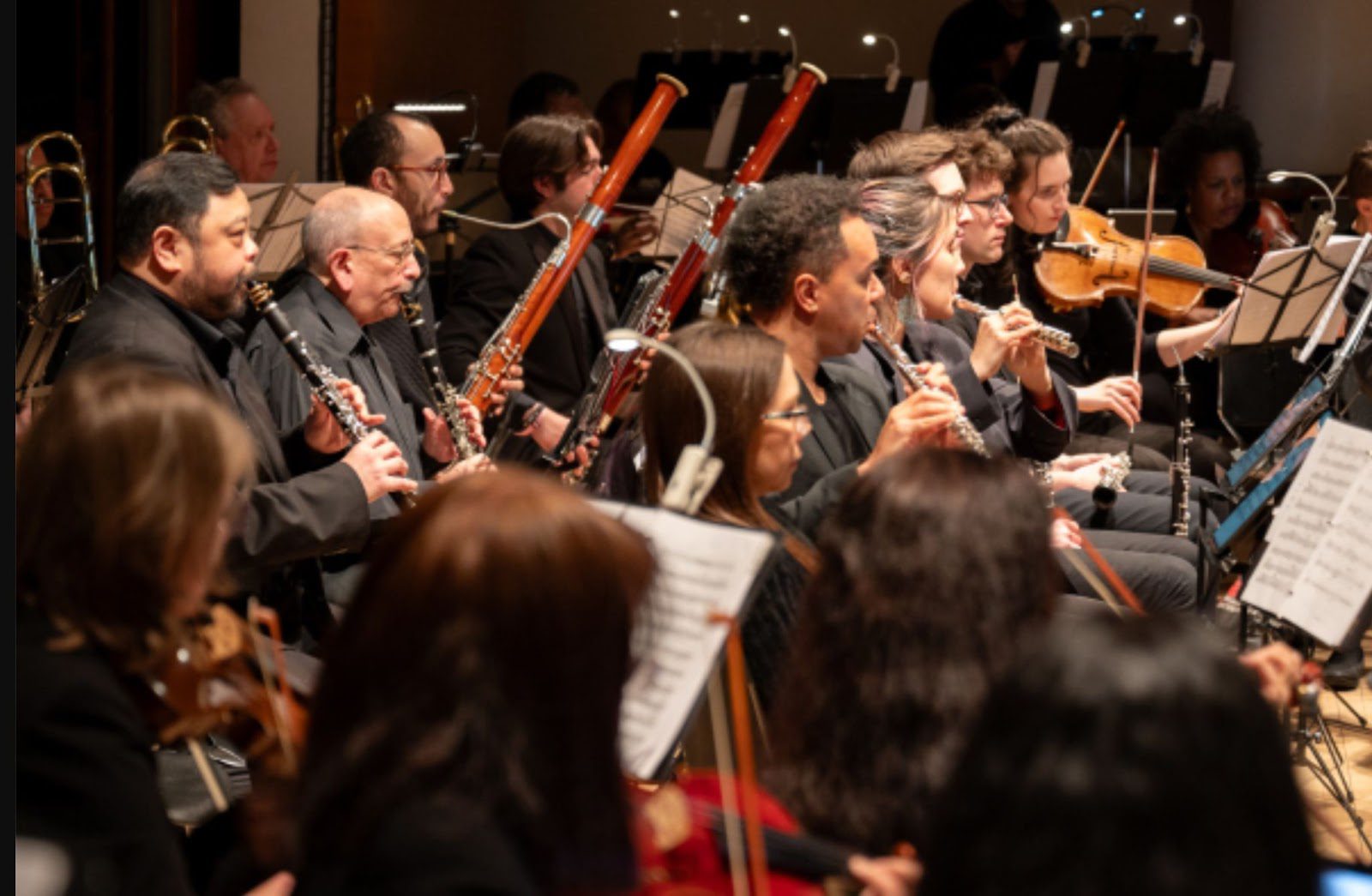
Originally a small musical society in Brooklyn Heights in 1973, the Brooklyn Symphony Orchestra has since evolved into a full-scale symphony orchestra with a permanent residency at the Brooklyn Museum, where one of its first performances took place. To mark this new chapter, the orchestra introduced a rebranded visual identity developed by New York-based design firm The Partners.
The updated visual elements, particularly the logo, were designed to reflect three key aspects of the orchestra: place, music, and people. These elements emphasize the Brooklyn Symphony Orchestra’s role as the borough’s premier classical music performer, the power and beauty of classical music, and the community’s desire to unite through music.
In fact, the abstract imagery in the logo visually represents the essence of each program. Music, translated into visuals, adds dynamism and freshness to its presentation. Classical music transcends the era in which it was composed, acting as a metaphor for the orchestra’s mission to make performances accessible and relevant to modern audiences.
Commenting on the project, Nick Clark, Executive Creative Director of The Partners, noted that his company was delighted to collaborate with the Brooklyn Symphony Orchestra. He emphasized that the passion and dedication of the performers exemplified the true meaning of the word “amateur,” which, in its original sense, means “from the heart.” The Partners eagerly anticipated future collaborations with the orchestra, aiming to engage audiences of all ages, from youth to seniors, including subcultures like hipsters, with the joy of exceptional music.
The Mission of the Brooklyn Symphony Orchestra
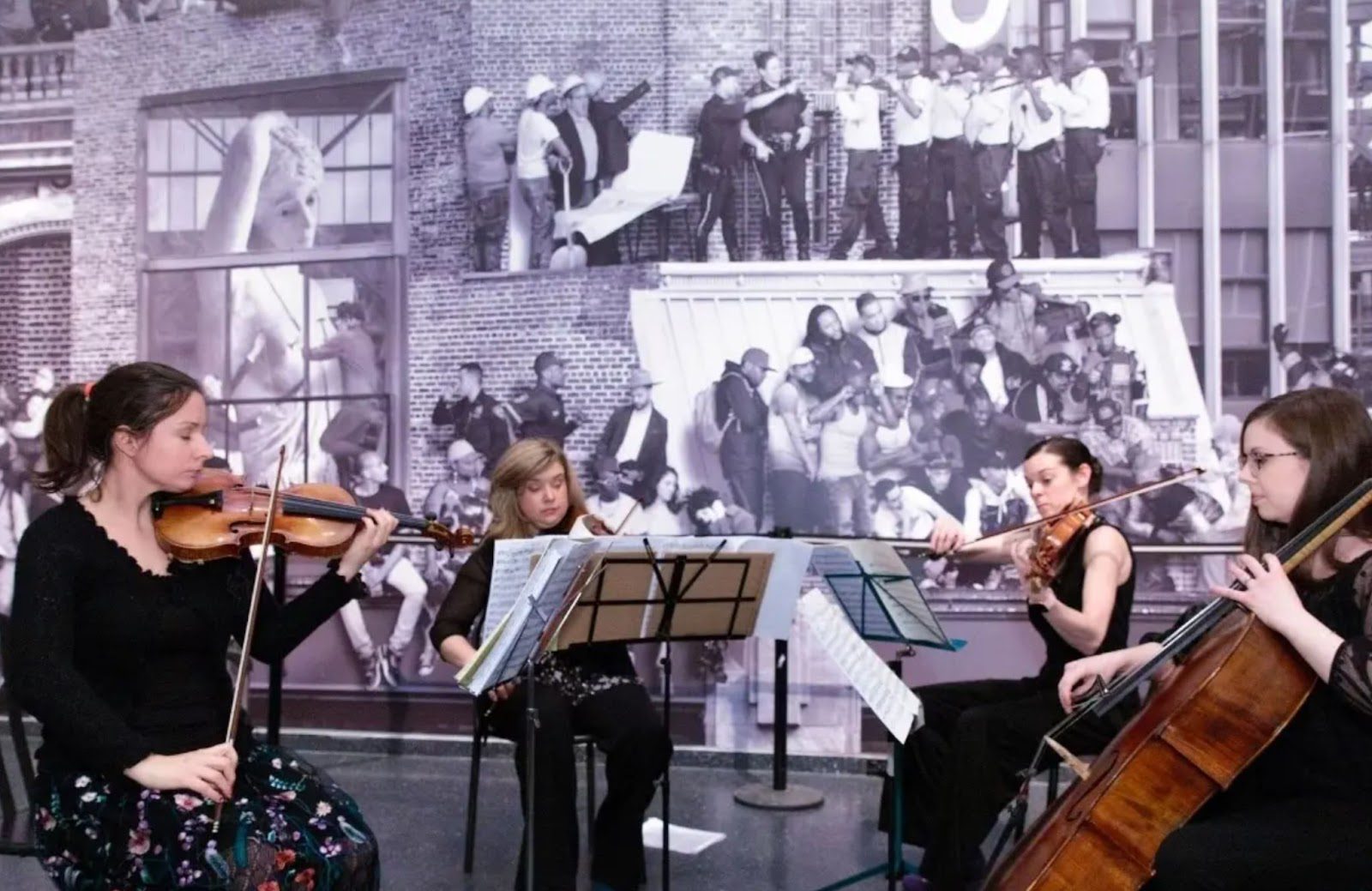
These aspirations closely align with the Brooklyn Symphony Orchestra’s mission as a non-professional community organization. The orchestra provides a platform for talented amateurs, semi-professionals, and professional musicians of all ages and backgrounds to study and perform symphonic music—both for personal enrichment and public concerts at the Brooklyn Museum.
As a cultural partner of the Brooklyn Museum, the orchestra’s mission includes contributing to the museum’s broader goals while fostering a meaningful presence in Brooklyn’s cultural landscape. The orchestra is committed to introducing audiences to contemporary composers, particularly those from Brooklyn when possible, and showcasing guest artists of the highest calibre—whether emerging talents at the start of their careers or experienced performers with international recognition.
Formation of the Orchestra
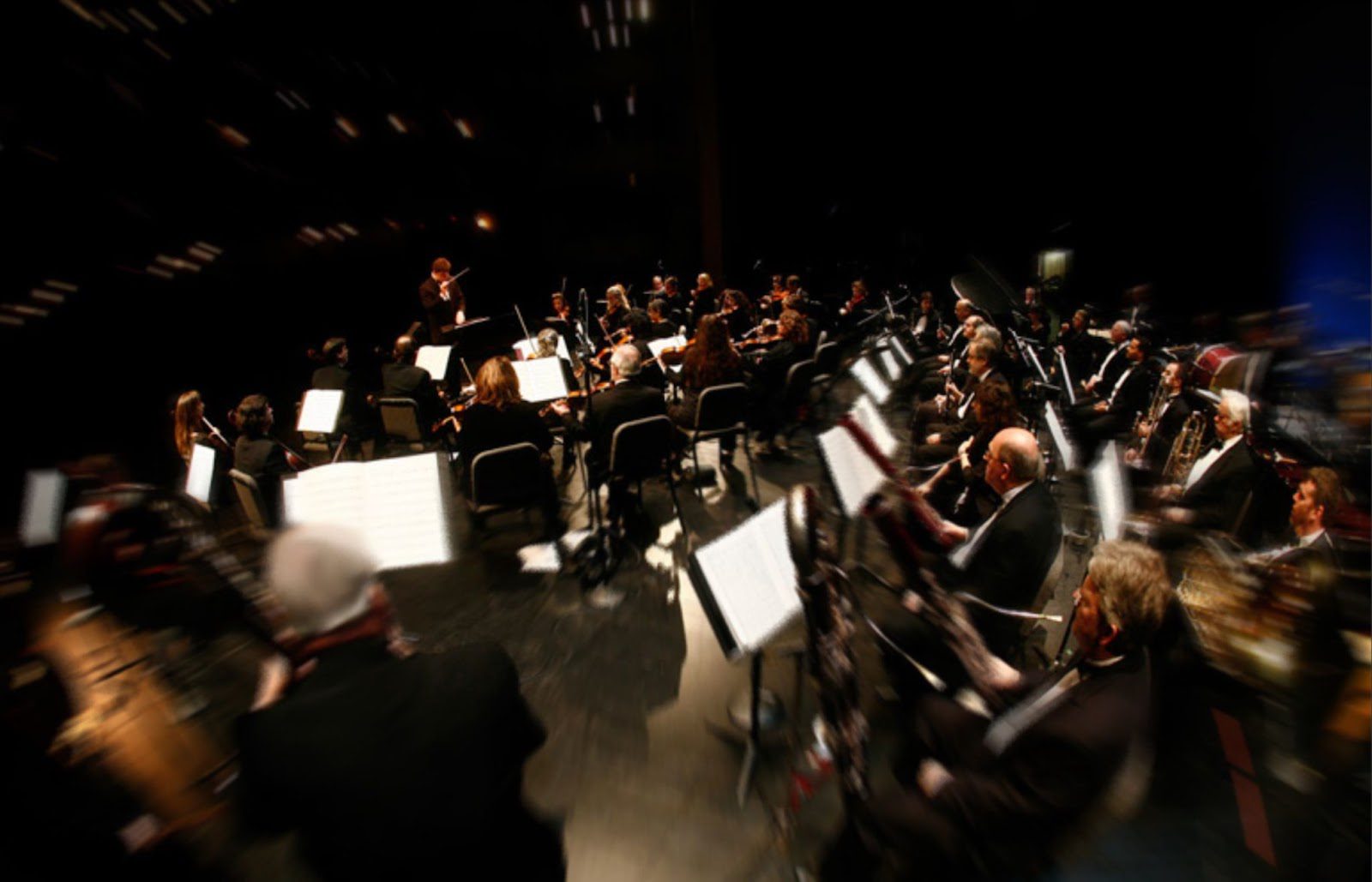
Delving deeper into the history and artistic development of the Brooklyn Symphony Orchestra, it is important to note that the ensemble serves as the primary performing arm of the Brooklyn Heights Music Society. In 1972, a group of Brooklyn Heights residents—including business professionals, music lovers, and both amateur and professional musicians—convened to create an organization dedicated to promoting high-quality classical and contemporary music.
Their goal was to inspire audiences and cultivate a deep appreciation for culture through music while paying tribute to the many individuals who dedicated their lives to the art form, enriching the Brooklyn community. With these objectives in mind, the Brooklyn Heights Music Society began its work. The society’s initial charter stipulated that a Board of Directors, consisting of community members and orchestra musicians, would oversee its operations. At the start of the 1993–1994 season, the orchestra became fully self-governing, managed exclusively by its musicians.
From 1972 to 2000, the Brooklyn Symphony Orchestra performed at the historic Church of St. Ann and the Holy Trinity on Montague Street in Brooklyn Heights. When the church closed its doors to musicians at the end of 2000, the orchestra relocated to perform at the Walt Whitman Theatre at Brooklyn College. In 2003, the Brooklyn Symphony Orchestra returned to St. Ann’s Church.
In the summer of 2013, then-president of the Brooklyn Symphony Orchestra, Jill Jefferson, secured a new permanent home for the ensemble at the historic Brooklyn Museum, one of the oldest and most prestigious museums in the United States. The orchestra’s milestone 40th season (2013–2014) marked its first year performing at the Brooklyn Museum, where it has remained ever since.
The Orchestra’s Artistic Leadership
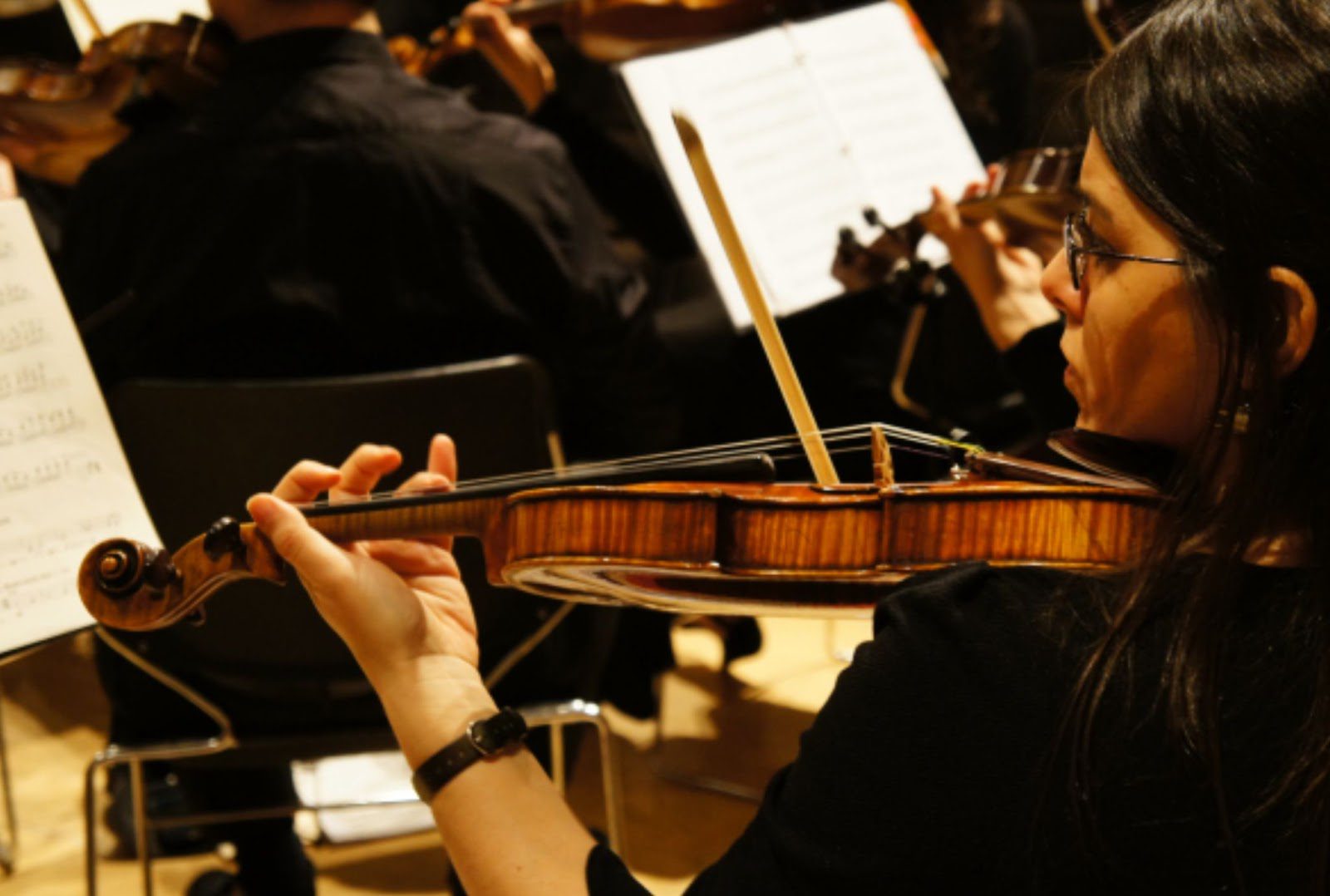
Throughout its history, the Brooklyn Heights Music Society has had only three permanent musical directors. Joe Eggers led the orchestra from its founding in 1973 until 1983. Arturo Delmoni served as music director from 1983 to 1993. For two seasons, from 1993 to 1995, guest conductors directed the orchestra while the society searched for a new permanent leader.
Nicholas Armstrong was the orchestra’s music and artistic director from 1995 until 2022. In January 2023, Felipe Tristan was appointed interim artistic director. The Brooklyn Symphony Orchestra is currently in the process of selecting a permanent director.
The Orchestra’s Performance Schedule
The Brooklyn Symphony Orchestra presents five concerts each season, featuring a diverse repertoire ranging from early classical works to contemporary compositions. General rehearsals and concerts take place in the Cantor Auditorium on the third floor of the Brooklyn Museum. Occasionally, as a complement to its primary season, the orchestra organizes chamber orchestra and chamber music performances.
With its rich history, evolving identity, and unwavering commitment to musical excellence, the Brooklyn Symphony Orchestra continues to play a vital role in Brooklyn’s cultural and artistic scene.