


Famed American actor Mickey Rooney was born on September 23, 1920, in Brooklyn, New York. A star of film, stage, and music, he was known for his energy, charisma, and versatility. Rooney became famous as a child and is best remembered for his role as the lively, street-smart protagonist in the Andy Hardy film series. Despite his small stature, he established himself as a strong character actor in adulthood. Read more about his career growth and other achievements at brooklyn-trend.com.
A debut at just 17 months old
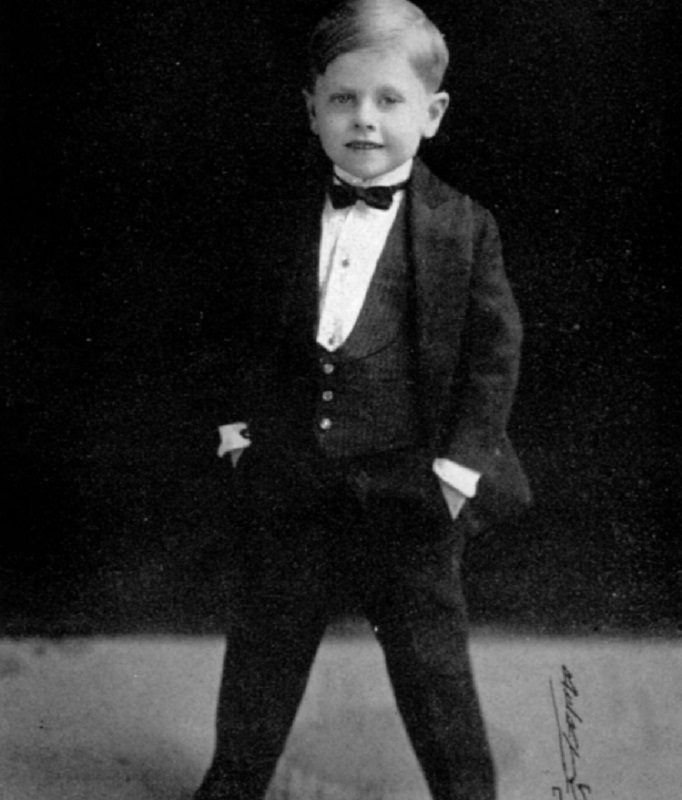
Rooney first appeared on stage at just 17 months in his parents’ vaudeville act. As a young performer, he sang, danced, and told jokes in vaudeville routines until 1924 when his parents divorced. Eventually, he and his mother moved to California, where he landed the role of a cigar-smoking trickster dwarf in the silent short film Not to Be Trusted in 1926. Over the next few years, he played tough, mischievous kids in a series of short comedies based on a popular comic strip. During this time, he temporarily adopted his character’s name, Mickey McGuire, as his own before changing it to Mickey Rooney once the series ended. In total, about 50 episodes were produced.
In 1934, Rooney signed a contract with Metro-Goldwyn-Mayer (MGM). That same year, he appeared at the Hollywood Bowl in a production of Shakespeare’s A Midsummer Night’s Dream. The play was directed by theater legend Max Reinhardt, guaranteeing its success. Rooney played Puck, earning praise from both audiences and critics. Interestingly, he later reprised this role for a film adaptation of the play.
A breakthrough in Hollywood
In 1937, Rooney played Andy Hardy, the teenage son of a small-town judge, in the film A Family Affair. Audiences loved the idealized Hardy family, and the film became a massive hit. Rooney’s character, a cheerful, good-hearted, but sometimes mischievous boy, won over viewers. The film’s success led MGM to produce 14 more Hardy family films over the next nine years.
During this time, Rooney also played a rebellious youth in Boys Town and starred alongside Judy Garland in a series of hit musicals, including Babes in Arms (1939), Strike Up the Band (1940), Babes on Broadway (1941), and Girl Crazy (1943). With his distinctive looks, boundless energy, and immense talent, Rooney became one of the top 10 highest-grossing stars from 1938 to 1943, topping the list for three consecutive years in 1939, 1940, and 1941.
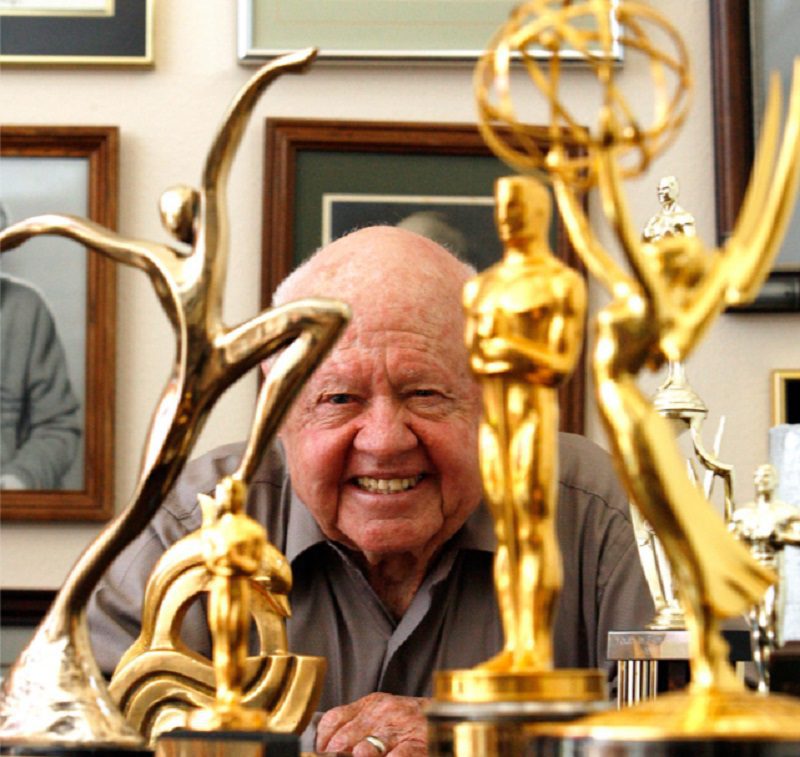
In 1939, at just 19 years old, he received a special Academy Award for juvenile actors. When World War II broke out, Rooney was drafted into military service and assigned to the Special Services Unit, where he entertained troops at bases in the U.S. and Europe until 1946. Upon returning to Hollywood, Rooney’s star power had faded somewhat. Audiences still saw him as the lovable teenager from his early films and struggled to accept him in adult roles. Though he never regained the immense popularity he had as a child star, Rooney built a reputation as a highly skilled actor, taking on memorable roles such as the infamous gangster in Baby Face Nelson (1957), a veteran boxing trainer in Requiem for a Heavyweight (1962), a former jockey in The Black Stallion (1979), and a mentally challenged man in the TV movie Bill (1981). These and other roles led to him receiving an honorary Academy Award in 1983 for his lifetime achievements.
Eight marriages and a complicated love life
At 59, in 1979, Rooney made his Broadway debut in the nostalgic burlesque tribute Sugar Babies. The show was a success, leading him to continue performing in popular musical theater productions. He also kept acting in films, playing the title role in The Wizard of Oz in 1998.
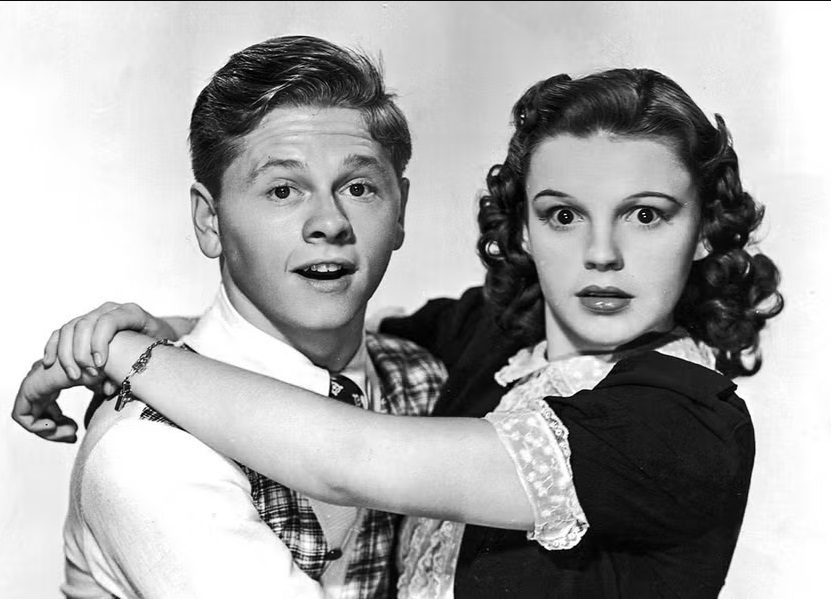
Rooney was married eight times, including to actresses Ava Gardner and Martha Vickers. However, his most complex relationship was with Judy Garland, his longtime on-screen partner. When Rooney and Garland first met in 1935, he was already a major star, while Garland’s place at MGM was far less secure. Throughout her life, Judy tended to fall for men who nurtured her talent and helped her grow as an artist. This might explain why she developed such an intense, unrequited love for Mickey Rooney. Like his character Andy Hardy, Rooney saw Garland as a kindred spirit and understood her deeply, but he never saw her as a romantic or sexual partner.